
Last updated November 20, 2026
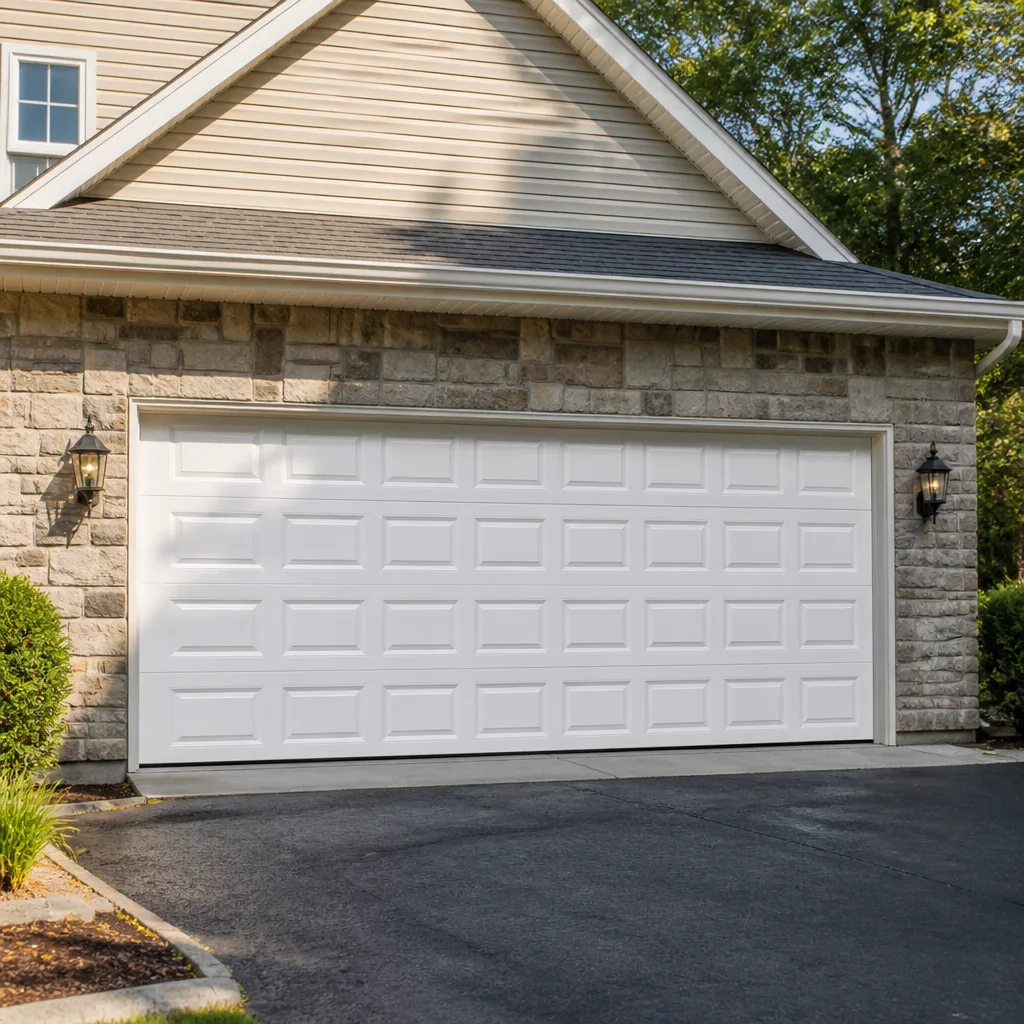 Raised-panel steel
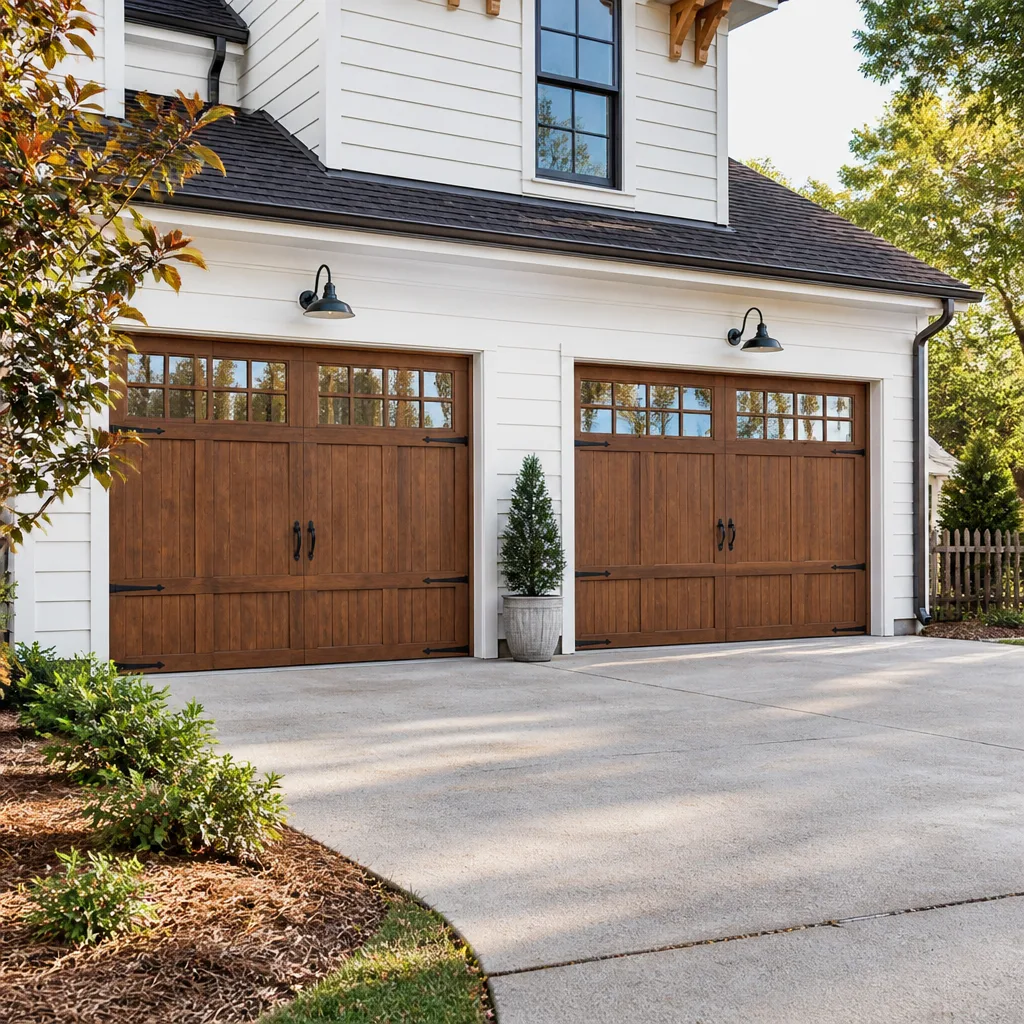 Carriage house
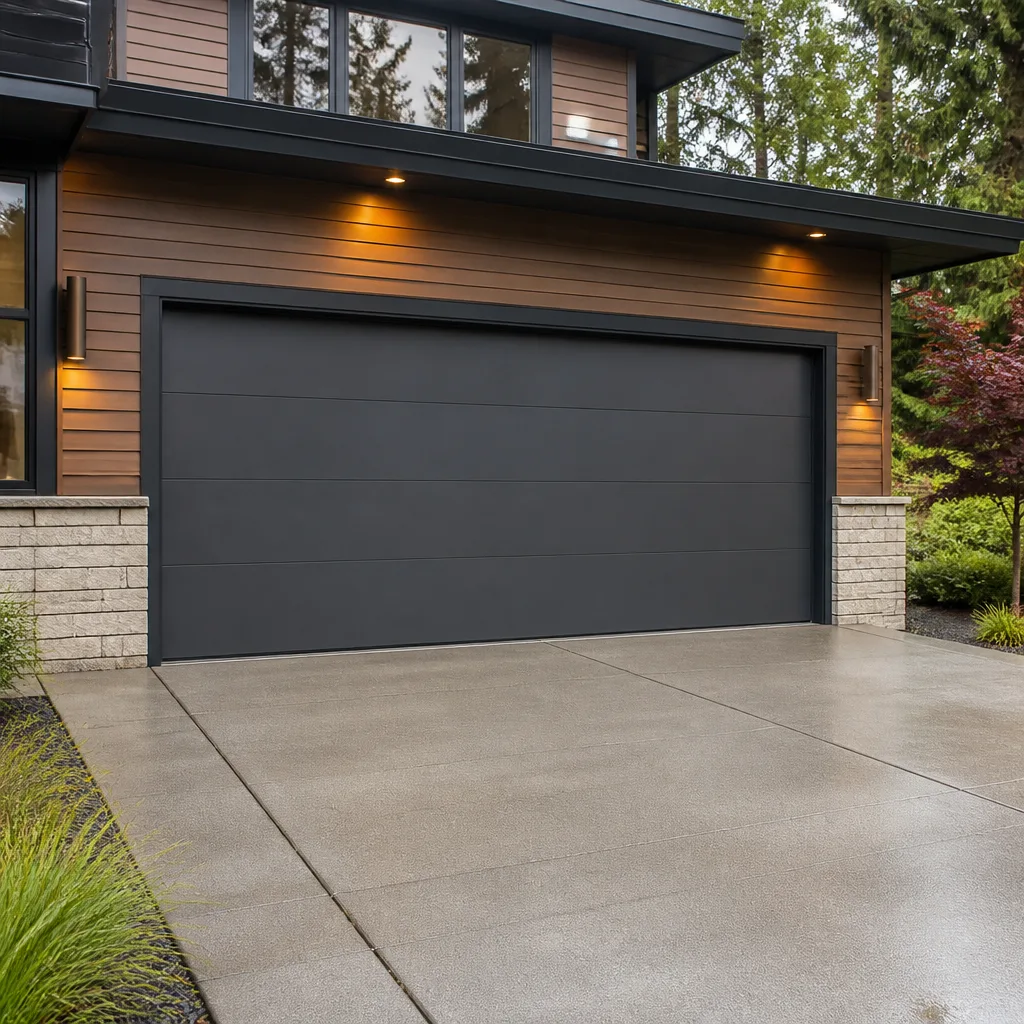 Modern flush
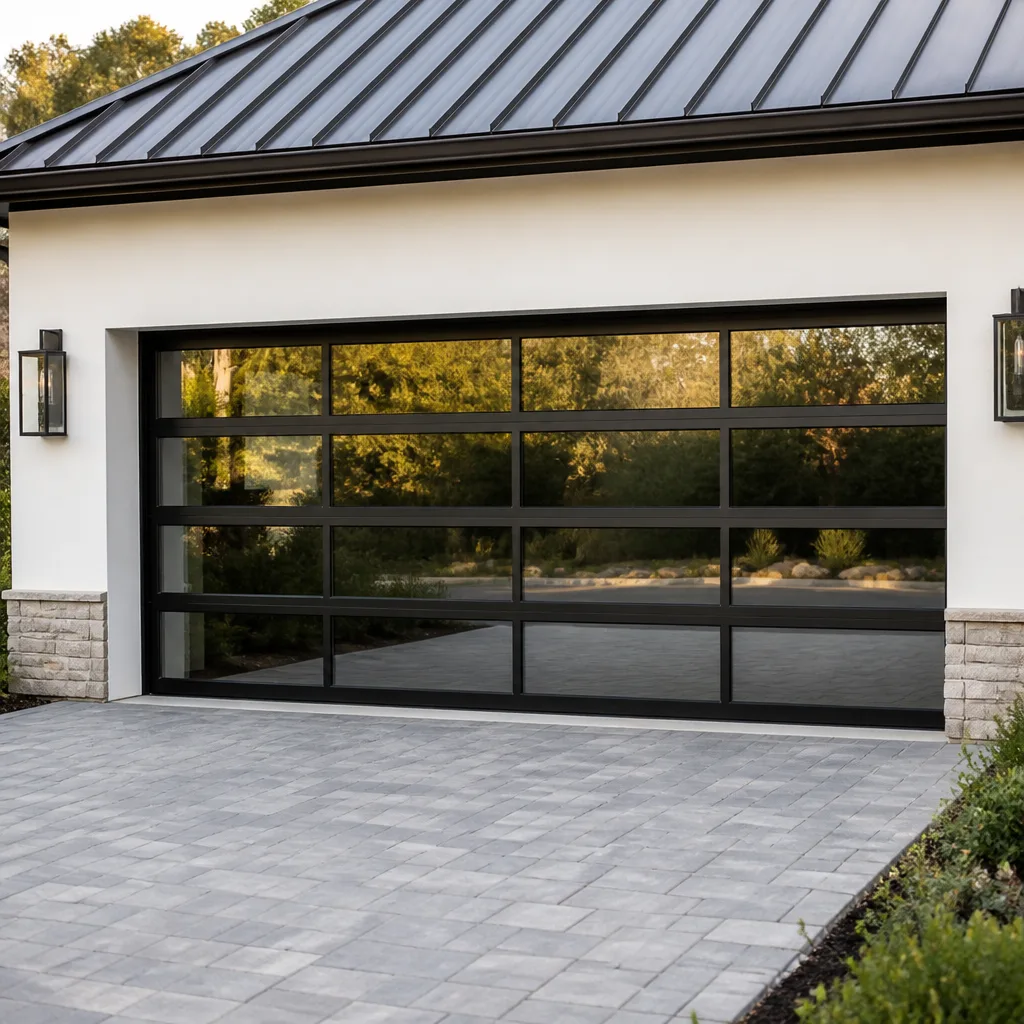 Full-view glass
 LiftMaster openers
 Chamberlain openers
Full 25-point door and opener safety check with every visit - springs, cables, rollers, tracks, and your LiftMaster or Chamberlain opener included
You get a price before we start. It does not change when the pro arrives.
Get your free estimateGarage Door Repair Maintenance Checklist for Nokomis Homeowners
The most common reason garage doors fail early in Minnesota isn’t worn parts. It’s the wrong lubricant applied at the wrong time of year. A product that sprays on easily in July can thicken into a gel by January, and that gel grinds metal against metal every time the door moves. We see it often in Nokomis. A door that should have lasted many more years is already groaning, sticking, and chewing through rollers. This guide gives you a maintenance schedule built for local conditions: what to check, when to check it, which products to use and which to avoid, and the warning signs that mean you should stop and call someone. Work through it once and you’ll know your door far better than most homeowners ever do.
Quick Answer
A garage door in Nokomis should be inspected monthly, lubricated twice a year, and given a full balance, spring, and seal check once a year before the first hard freeze. Use a low-temperature lithium or silicone-based lubricant on hinges, rollers, and the torsion bar, never a heavy grease or a spray that thickens in cold. Most of the checklist you can do yourself in under twenty minutes. Springs, cables, and opener wiring belong to a trained technician.
Styles & brands we work with
- Raised-panel steel
- Carriage house
- Modern flush
- Full-view glass
- LiftMaster openers
- Chamberlain openers
Table of Contents
- The Monthly Check: Ten Minutes That Save Money
- Lubrication in Nokomis: The Right Product for the Right Season
- How to Run the Balance Test Correctly
- Weather Seals and Freeze Seasons
- The Twice-Yearly Deep Check
- The Annual Pre-Winter Inspection
- Tasks That Can Void Your Manufacturer Warranty
- Common Mistakes to Avoid
The Monthly Check: Ten Minutes That Save Money
A monthly walkthrough is the simplest maintenance habit you can build, and it’s the one most Nokomis homeowners skip. Ten minutes a month surfaces problems while they’re still small: a loosened bolt, a fraying cable end, a hinge that’s started to squeak. Caught early, most of these cost very little to fix. Caught late, they turn into a broken spring or a door off its track. Put it on the calendar the same day each month so it doesn’t drift.
Here’s the routine we recommend. Work through it in order, top to bottom.
- Look at the whole door first. Open it fully and stand back. Check that panels are straight, that the door sits level in the opening, and that nothing looks visibly bent or loose.
- Check the hardware by hand. With the door closed, gently wiggle the hinges and the bracket bolts. Anything that moves more than a hair needs tightening.
- Inspect the rollers. Look for flat spots, cracks, or metal shavings near the roller stems. Worn rollers are a common cause of a noisy door.
- Listen to the door in motion. Open and close it once and pay attention. A steady hum is normal. A grinding, scraping, or popping sound is not.
- Test the safety reverse. Place a roll of paper towels or a scrap of lumber in the door’s path and close it. The door should reverse on contact. This is the single most important safety feature on any automatic door.
- Check the photo-eye sensors. Wave your hand in front of both sensors near the floor. The door should refuse to close. Wipe the lenses clean if they’re dusty.
If anything on that list feels wrong, jot it down. You don’t have to fix it yourself. The point of the monthly check is to know before it turns into an emergency, and to be able to describe the problem clearly when you call. Most door problems we see would have been caught at the monthly stage if anyone had been looking.
Lubrication in Nokomis: The Right Product for the Right Season
This is where local conditions matter more than any generic checklist will tell you. Nokomis swings from deep cold in winter to warm, humid summers, and that range is brutal on lubricants. A product that works beautifully at 70°F can become a sticky, gummy mess at 0°F. When it thickens, it stops protecting the moving parts and starts collecting grit. That grit acts like sandpaper on your hinges and rollers.
What to use, and where:
- Low-temperature lithium grease on the torsion bar, hinges, and bearing plates. Look for a formula rated for cold weather, and apply a thin film, not a thick coat.
- Silicone spray on the rollers and the tracks. It doesn’t attract dust the way heavier products do, and it stays fluid in the cold.
- A dry PTFE or silicone lubricant on the opener’s chain or screw drive if it calls for it. Check your opener manual, since Genie and LiftMaster drives differ.
What to avoid, no matter what the label says:
- Heavy wheel-bearing grease or chassis grease. Too thick for cold weather, and it holds grit.
- WD-40 as a long-term lubricant. It’s a solvent and water displacer, not a lasting lubricant. It also strips whatever protective film was already there.
- Cooking spray or household oils. They go rancid, attract insects, and leave a sticky residue.
Timing matters as much as the product. Lubricate in early fall, before the first freeze, so the door is protected going into the cold months. Then lubricate again in spring to clear out the winter grit and reset the film. Twice a year, before the seasons turn, is the schedule that keeps a door quiet in Nokomis.
If your door is a Clopay, Amarr, or Wayne Dalton model, all of these products are safe on the hardware. What matters is that you don’t spray anything onto the painted panels themselves, and that you don’t get lubricant on the rubber weather seal, which degrades it. We’ve seen seals ruined by someone who sprayed a little too generously and didn’t wipe the overspray.
How to Run the Balance Test Correctly
An unbalanced door puts extra strain on the opener, wears the springs faster, and is genuinely unsafe to operate. The balance test tells you whether the springs are doing their job. Most homeowners either skip it entirely or do it wrong. Done correctly, it takes a minute and tells you more about your door’s health than any other single check.
Here’s the correct method, step by step:
- Close the door fully and disconnect the opener by pulling the release cord. This puts the door in manual mode.
- Lift the door by hand to about waist height, roughly halfway open.
- Let go. Don’t push it, don’t guide it. Just let it rest.
- Watch what it does over the next few seconds.
What the result means:
- It stays put at any point. The door is balanced. The springs are doing their share of the lifting. Good.
- It drops on its own. The springs are losing tension. The opener is doing more work than it should, and it’s working harder every month. This is a warning sign.
- It rises on its own. The springs are over-tensioned, or one is failing while the other pulls harder. This is the more dangerous result.
- It’s stiff in one spot but easy everywhere else. Something is binding in the track or a hinge. That’s a hardware problem, not a spring problem.
Structurally, an off-balance result tells you the door is being asked to do work it wasn’t designed to do. The opener motor, the cables, and the springs all take extra load. Left alone, the opener will eventually fail or the door will come down hard. If your balance test comes back off, that’s the point to stop testing and call. Don’t try to adjust spring tension yourself. Those springs are under enormous tension, and the risk of serious injury is real.
Weather Seals and Freeze Seasons
The bottom seal and the side seals on your garage door are doing a job you don’t notice until they stop doing it. That thin rubber strip against the floor and the frame keeps out water, insects, and cold air. In Nokomis, where freeze-thaw cycles hit every winter, the seals take a beating. Cracked or compressed seals let cold air into the garage, and that cold air pulls heat out of your home through the attached wall. A door that lets you feel a draft is costing you money on every heating bill.
What to check on your weather seals:
- The bottom seal for cracks and flattening. Press on it. It should be springy. If it stays compressed or is visibly cracked, it needs replacing.
- The gap against the floor. Close the door and look at the line where the seal meets the concrete. You shouldn’t see daylight or feel a draft around the edges.
- The side seals and header seal. Look for gaps, tears, or spots where the seal has pulled away from the frame.
- The threshold where snow and ice collect. A door that sits against ice will wear the bottom seal faster than any other part of the door.
Seal replacement is a small job with a real return. New seals tighten the perimeter, which means warmer garage, less melted snow on the floor, and a quieter door. If your Nokomis home has an attached garage with a bedroom above it, the effect on winter heating is noticeable. Check the seals in the fall before the first freeze. That’s when you want a tight perimeter, not when you’re already fighting drafts in January.
For more on seal and hardware work, our garage door repair service covers the small jobs as well as the large ones.
The Twice-Yearly Deep Check
Twice a year, the monthly check becomes something more thorough. Do this in spring and again in early fall, before the weather turns. It’s the appointment where you clean, lubricate, and tighten, and it’s where you catch the things a ten-minute walkthrough misses.
Here’s the twice-yearly routine:
- Lubricate all moving parts. Hinges, rollers, torsion bar, bearing plates. Use the products we covered above, and wipe off any excess.
- Tighten every accessible bolt. Check the hinge bolts, the track brackets, the bracket on the wall, and the opener’s mounting hardware. A door vibrates a little more every season, and bolts back out over time.
- Clean the tracks. Wipe them with a damp cloth and let them dry completely before anything else. Don’t use solvent. In Nokomis, spring and fall track cleaning clears out grit that would otherwise grind against the rollers.
- Inspect the cables. Look for fraying, kinks, or rust along the cable that runs down the side of the door. A damaged cable is a safety issue and should be handled by a technician.
- Check the springs. Look for gaps in the coils or an obviously stretched spring. Don’t touch them. Just look and note what you see.
- Test the balance and safety reverse again. The twice-yearly check is a good time to repeat both tests and write down the results so you can compare them next time.
- Test the opener’s force settings. Check your opener manual. Most models have a force adjustment, and it should be set so the door reverses on contact but still closes against the seal.
This routine is where most of the value is. A door that gets the twice-yearly treatment is a door that’s still quiet and balanced after many seasons. A door that gets nothing is the door that eventually calls us from a stuck position. Same work, different outcome.
The Annual Pre-Winter Inspection
Once a year, before the first cold snap, the door deserves a full inspection. In Nokomis, this is best done in early fall, while the weather is still mild and there’s time to fix things before you need them. A pre-winter inspection is about protecting the door through the harshest months, not about fixing winter damage after the fact.
Key items for the annual inspection:
- Professional spring inspection. Springs age in cycles, and a technician can see how close yours are to the end of their service life. This is worth a call even if nothing looks wrong, because a failing spring can fail without much warning.
- Cable and drum inspection. Cables that are starting to fray are a hard stop. The technician will check them along the full run.
- Roller replacement. Rollers are cheap and easy to replace. If several are worn or cracked, replace them as a set rather than one at a time.
- Opener component check. If you have a Genie or a LiftMaster, the technician will look at the safety sensors, the travel limits, and the force settings. The opener manual spells out what the manufacturer wants checked.
- Track alignment and door leveling. A door that has drifted out of alignment will wear the tracks and the rollers faster through the winter.
- Weather seal replacement if needed. This is the natural time to replace ageing seals, especially if they’re already showing cracks.
If your winter prep turns up a door that’s beyond simple repair, our garage door installation team can walk through replacement options. We work with Clopay, Amarr, and Wayne Dalton, among others, and we’ll help you compare doors without pushing you toward the most expensive one on the list.
Tasks That Can Void Your Manufacturer Warranty
Most garage door manufacturers attach their warranty to specific installation and maintenance conditions. Doing the right work in the wrong way can void that coverage, and the homeowner often doesn’t find out until years later when something fails. If your door is a Clopay, Amarr, Wayne Dalton, Genie, or any other major-brand system, the warranty document is worth a read.
Common warranty-voiding mistakes:
- Adjusting spring tension yourself. Manufacturer warranties on torsion springs almost always require professional adjustment. Homeowner tampering voids the spring coverage and creates real physical danger.
- Using non-approved lubricants on the spring or cables. Some manuals specify particular product types. Using a heavy grease or a WD-40 type product can void coverage.
- Replacing components with aftermarket parts. A warranty on a Clopay door may not cover a generic roller or hinge. Match the specification of whatever you replace.
- Modifying the door’s structure. Drilling new holes in panels, adding an opener bracket without manufacturer guidance, or altering the track alignment can all void coverage.
- Painting a factory-finished door over a warranty defect. If the finish is blistering or peeling, that’s a warranty claim, not a paint job. Painting over it usually kills the claim.
- Using unapproved cleaners on the panels. Some finishes are sensitive. Check the manual.
The safest rule: whatever you’d need to call a technician for, call a technician for. The parts of the checklist that belong to you are the ones that don’t involve tools, tension, or structural adjustments. The rest should be left to someone trained for it.
Common Mistakes to Avoid
- Lubricating with the wrong product. A heavy grease that seems fine in summer turns to paste in January. Use low-temperature lithium or silicone, and follow the schedule above. This is the mistake we see most often in Nokomis homes.
- Skipping the balance test because the door seems fine. A door that opens and closes doesn’t mean a door that’s balanced. An unbalanced door is quietly wearing out the opener and springs on every cycle.
- Ignoring a noisy door. Noise is information. A grinding or scraping sound means metal is contacting metal somewhere, and waiting will only make the repair bigger.
- Adjusting spring tension yourself. The springs are under very high tension and can cause serious injury if they release unexpectedly. This is the one task on the list that should always be a professional job.
- Forgetting the weather seals. In a Nokomis freeze, a cracked seal means draft, ice, and higher heating bills. Check them before winter, not after.
- Spraying lubricant on the rubber seals. It degrades the rubber. Keep products on the metal hardware only.
- Ignoring the opener manual. Your opener’s force settings and maintenance requirements differ between brands. Read the manual that came with the unit.
See the difference
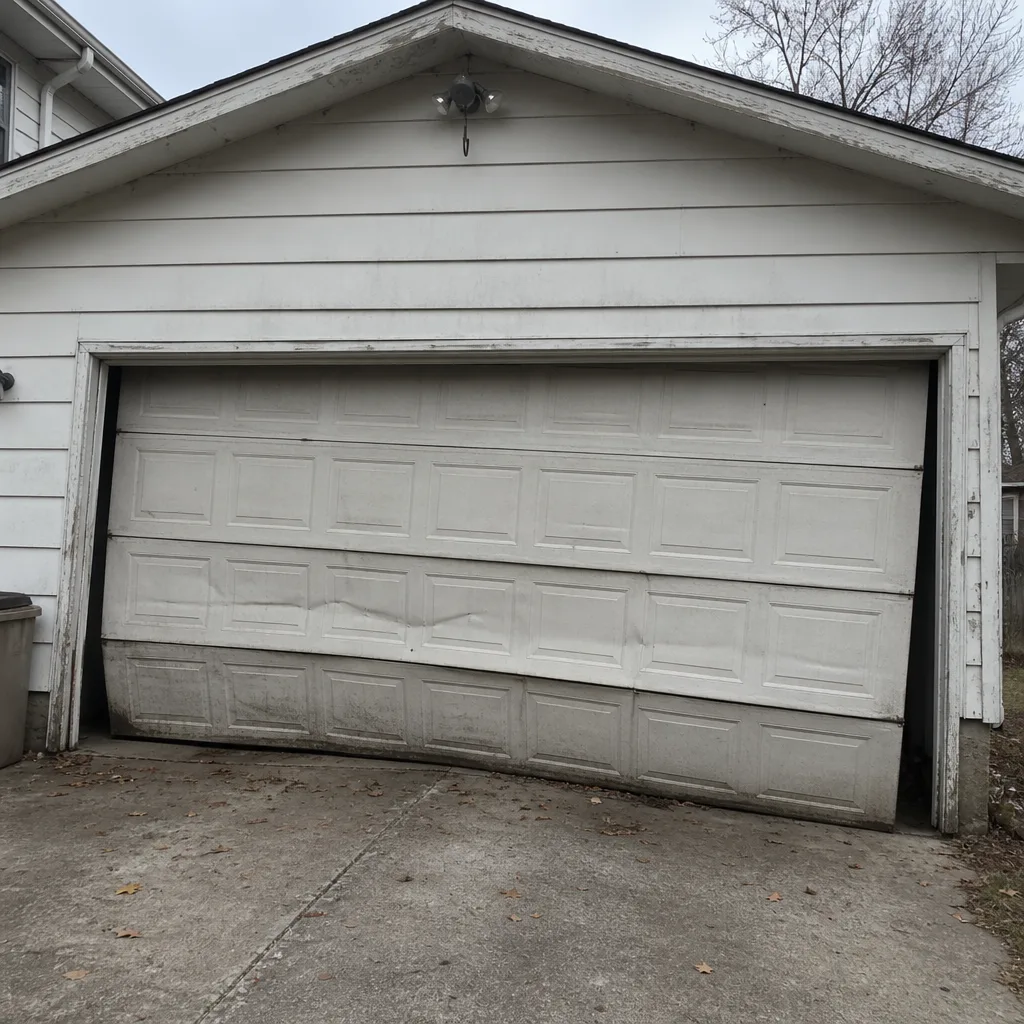 Before
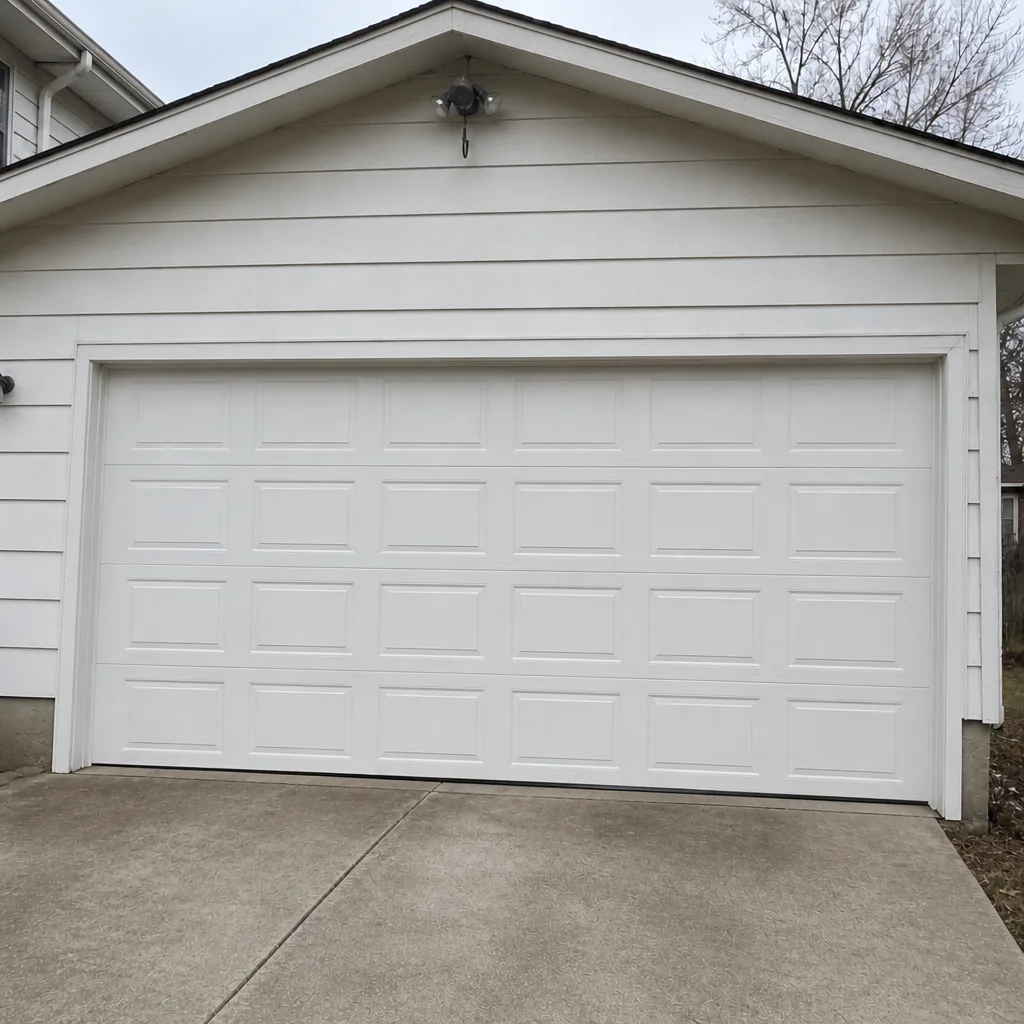 After
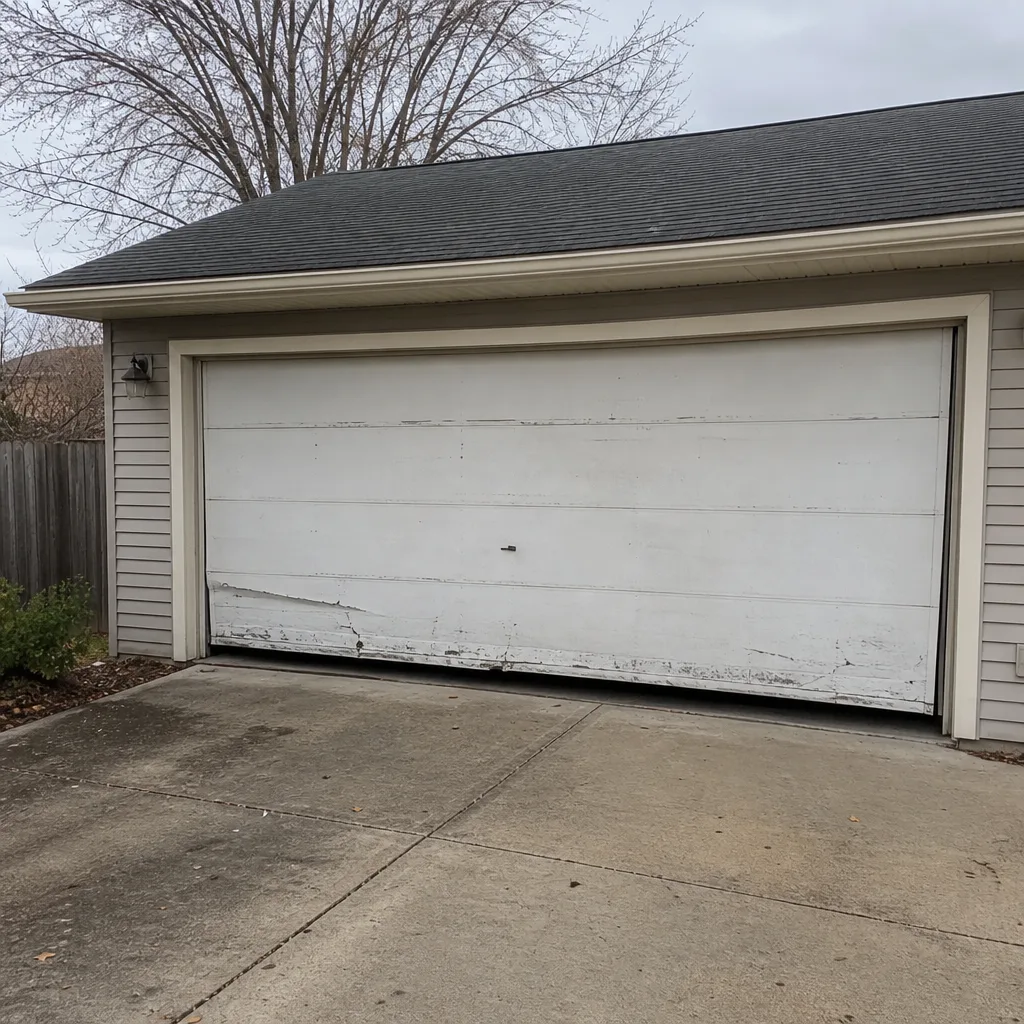 Before
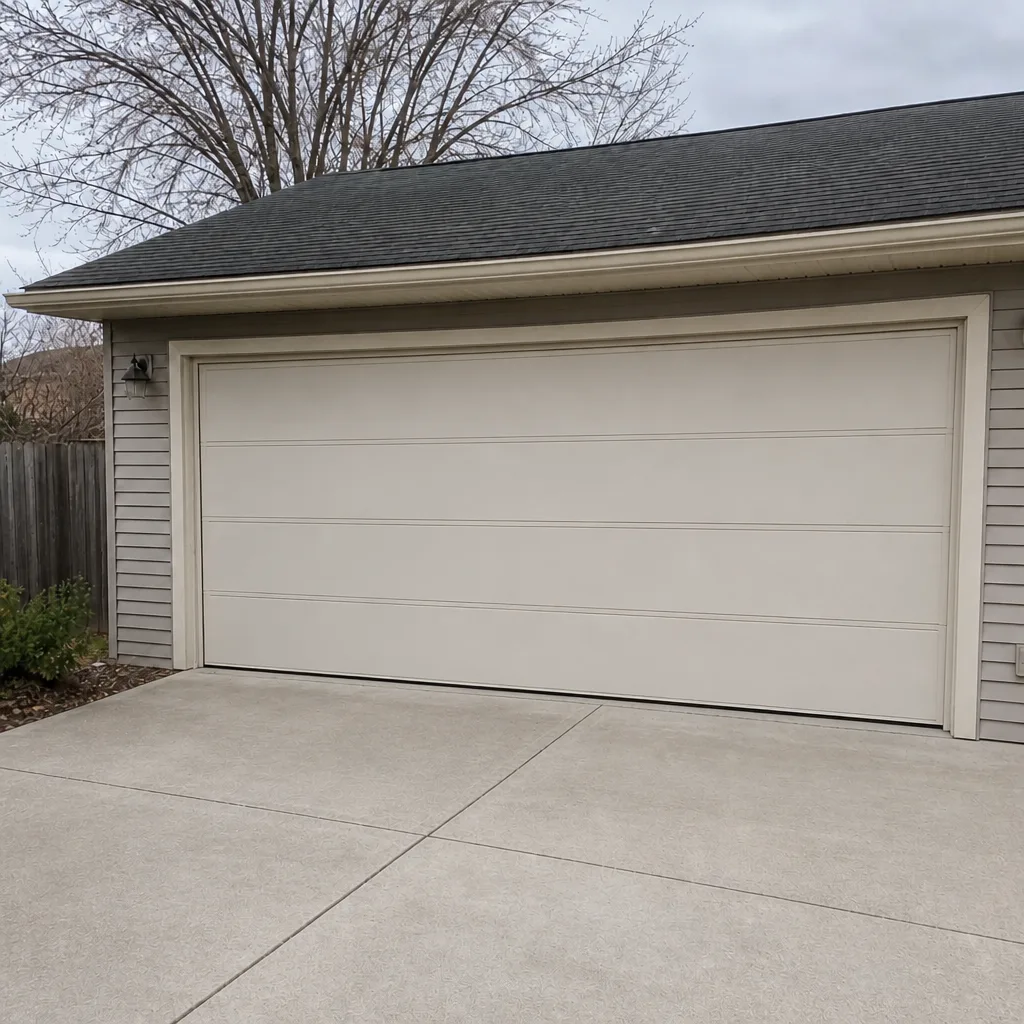 After
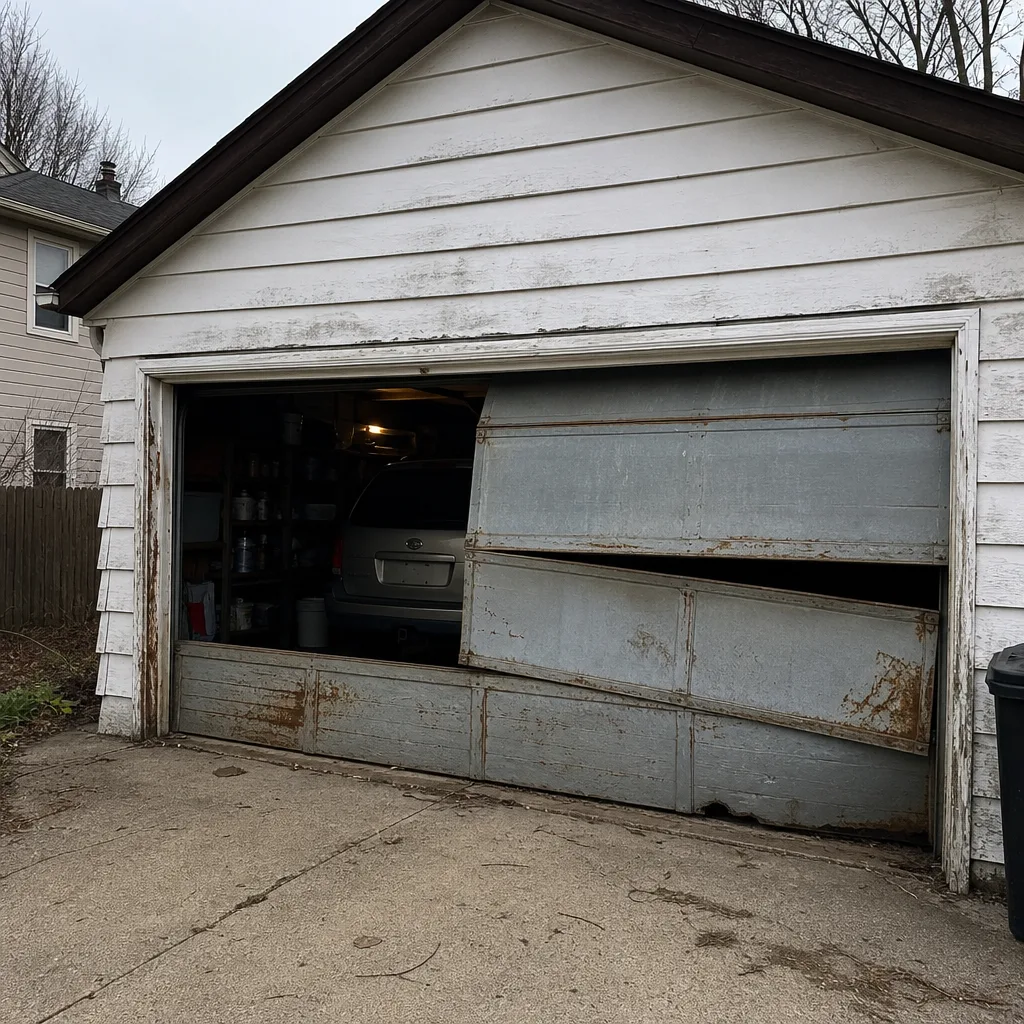 Before
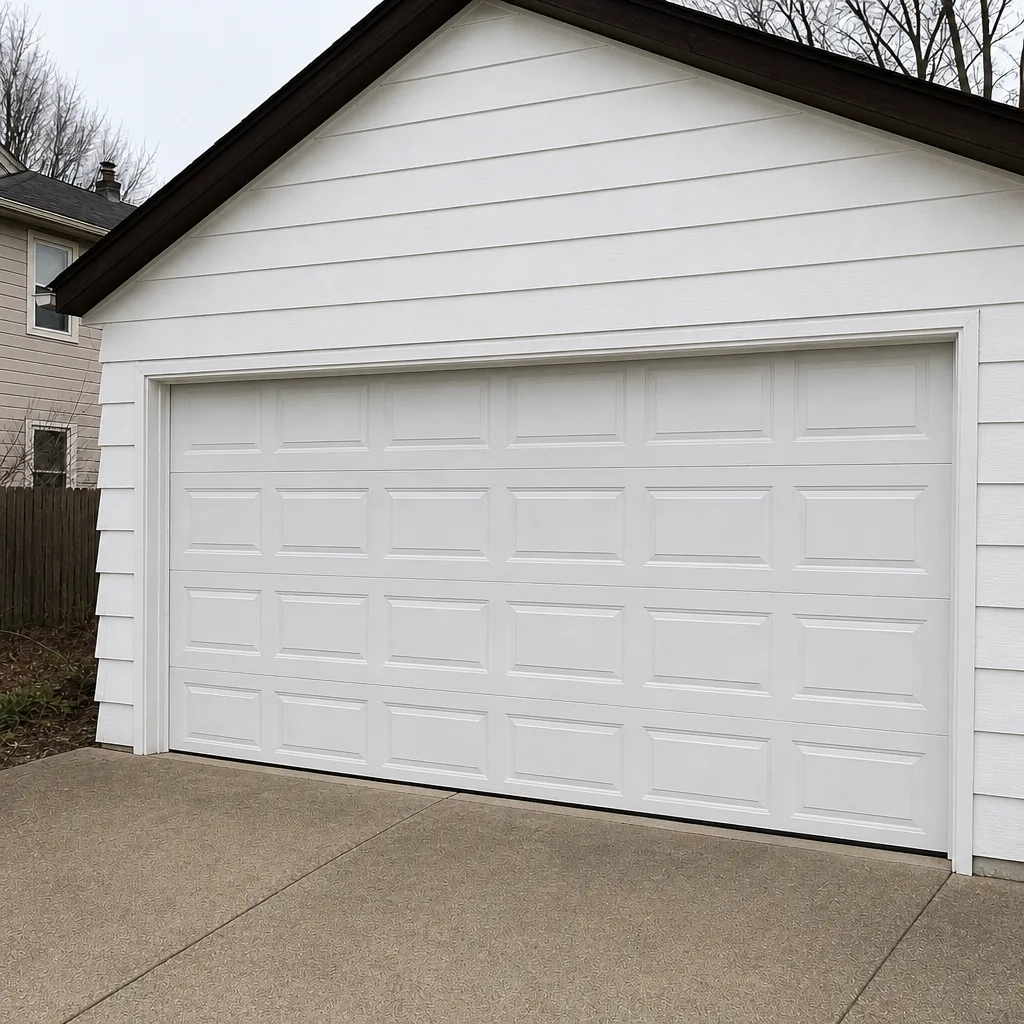 After
When to Call a Professional
Some things are checklist work for you. Others are for a trained technician, and calling early is cheaper than calling late. Broken springs top the list. So do frayed or snapped cables, a door that’s come off the track, and any opener that’s smoking or tripping a breaker. Electrical wiring for the opener is not a DIY task. If you hear a loud bang from the garage and the door suddenly won’t lift, that’s usually a broken torsion spring, and it needs a technician, not a phone tutorial. Door replacement and any track realignment also call for professional hands. Our garage door opener repair team handles the electronic side as well, so a single visit often resolves both the hardware and the opener. Call (877) 792-5938 for a free estimate. We answer 24/7. Fast dispatch from 7am to 7pm, Sunday through Friday.
Frequently Asked Questions
Twice a year, in early fall before the first freeze and again in spring. Monthly checks catch the parts that need a touch-up, but twice a year is the schedule that protects against winter cold. Use a low-temperature lithium or silicone product.
A low-temperature lithium grease on the hinges and torsion bar, and a silicone spray on the rollers and tracks. Avoid heavy grease, which thickens in cold, and avoid using WD-40 as a long-term lubricant, since it strips protective film rather than leaving one.
No. Torsion and extension springs are under very high tension and can cause serious injury if they release unexpectedly. Spring replacement should always be done by a trained technician. It’s also one of the jobs that commonly voids manufacturer spring warranty if done yourself.
It means the springs aren’t doing their share of the load. The opener and cables are carrying extra strain every cycle. Off-balance doors wear out faster and can fail suddenly. Have a technician check the springs and hardware.
Look for visible cracks, flattening that doesn’t spring back when pressed, or daylight showing around the closed door. In Nokomis, a failing seal is worth replacing before winter, since it drives up heating costs.
Most manufacturer warranties cover the door itself but not damage from incorrect maintenance. Adjusting spring tension yourself, using non-approved lubricants, or replacing parts with aftermarket equivalents can void coverage. Read your manual or ask a technician before doing work that involves tools.
For a more detailed look at how we handle repair, spring, and opener work, our main service page explains what we cover. You can also read more about our approach on Garage Door Repair Nokomis.
The Bottom Line
A maintenance checklist is only useful if it’s tied to a schedule and tells you what failure actually looks like. In Nokomis, that means the right lubricant twice a year, monthly walkthroughs, a proper balance test, and weather seals checked before each freeze. Most of it you can do yourself. The springs, cables, wiring, and anything that needs tools belong to a technician. Get the schedule right and a good door will last far longer than most homeowners expect. Skip it, and you’ll meet the wrong end of a repair bill. Either way, we’re a call away.
If your checklist turns up something that needs attention, call (877) 792-5938 for a free estimate. We answer 24/7. Fast dispatch from 7am to 7pm, Sunday through Friday.
Written by the team at Garage Door Repair Nokomis.