
Last updated November 20, 2026
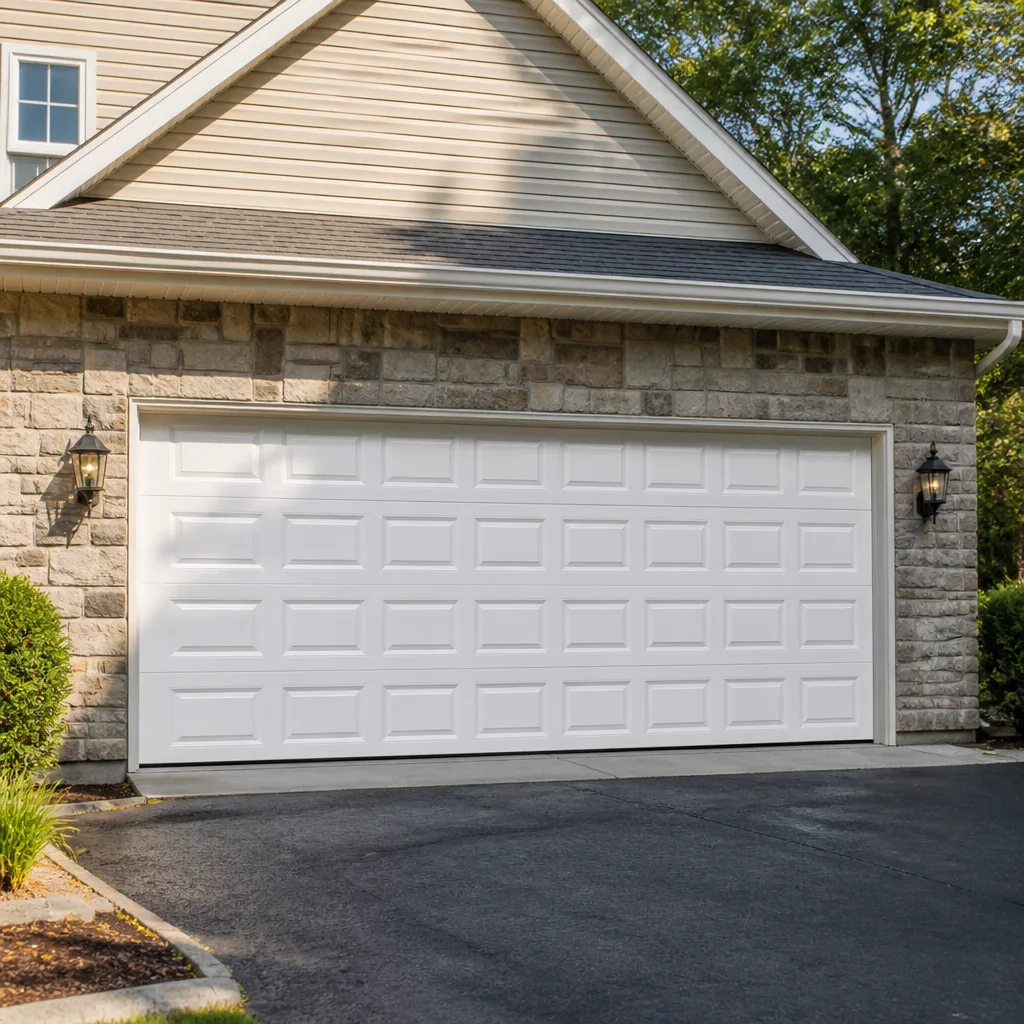 Raised-panel steel
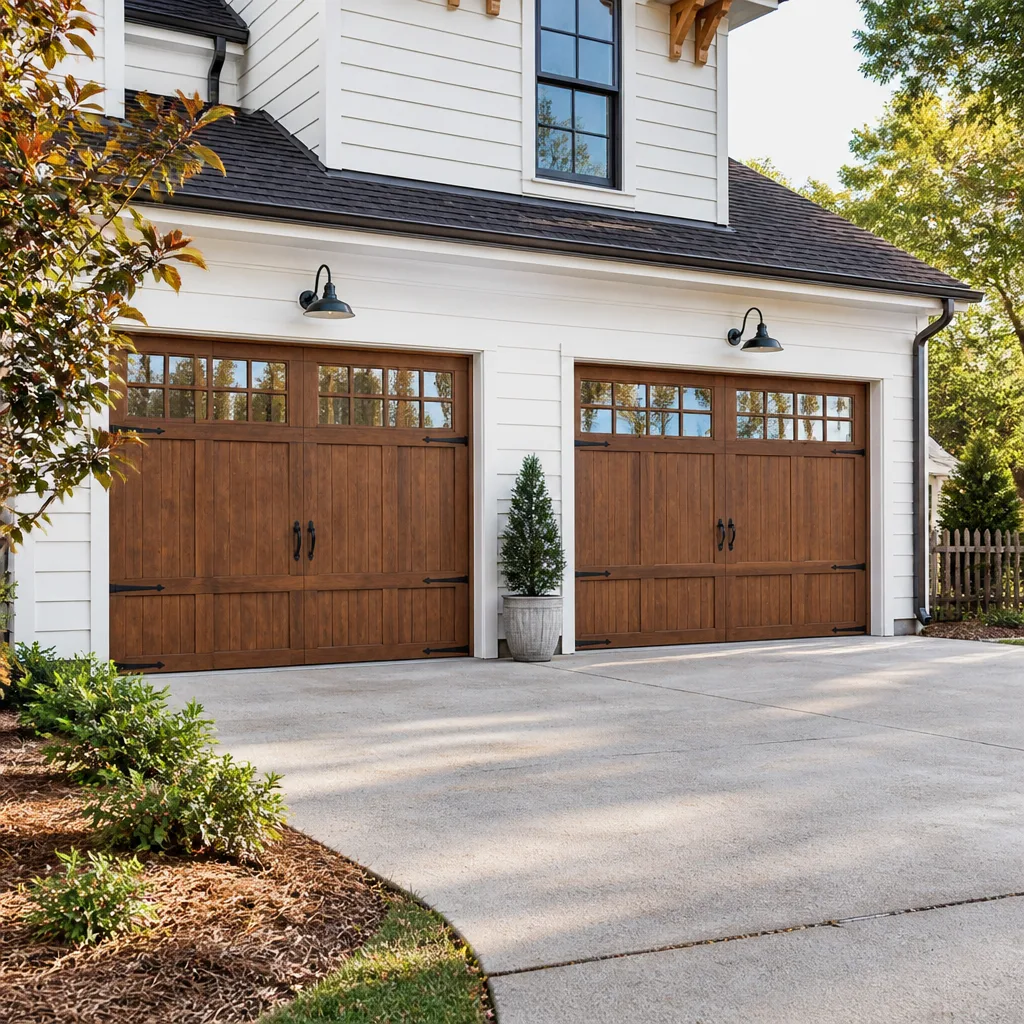 Carriage house
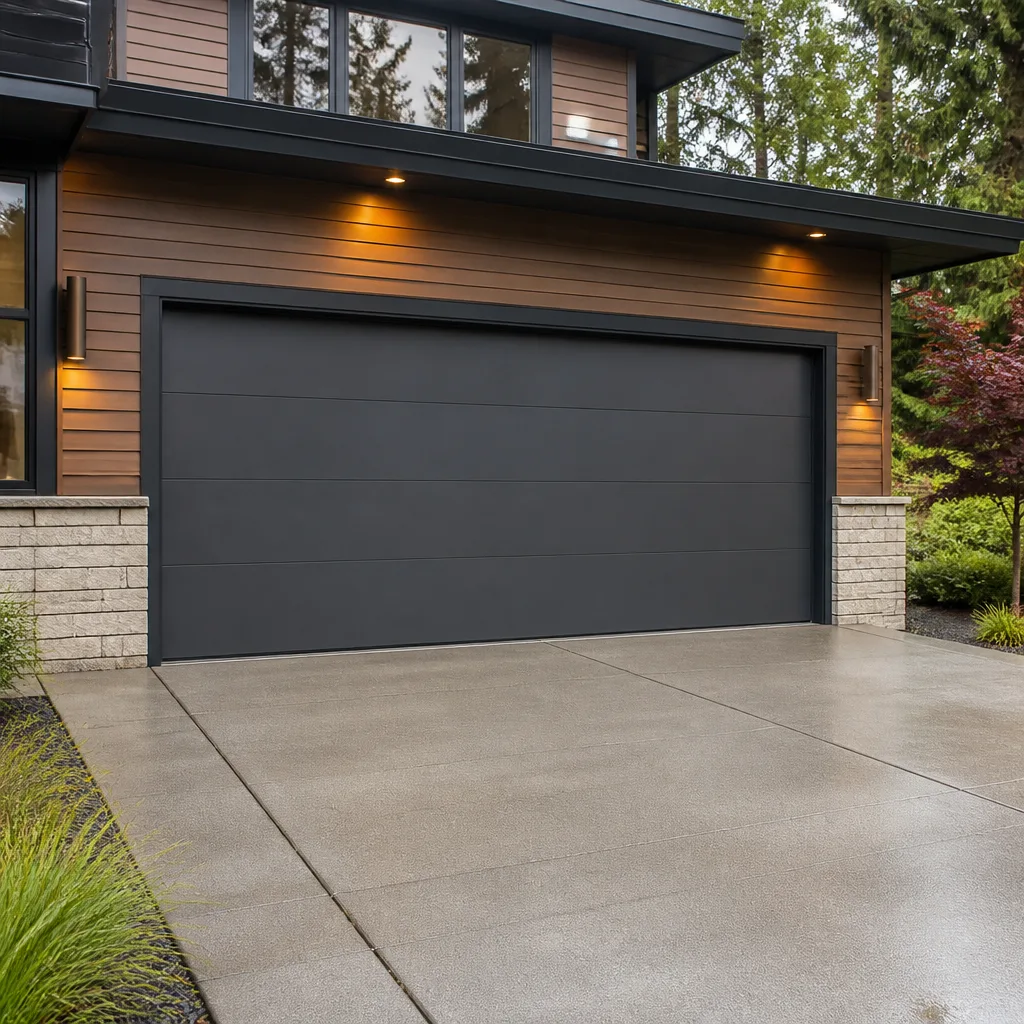 Modern flush
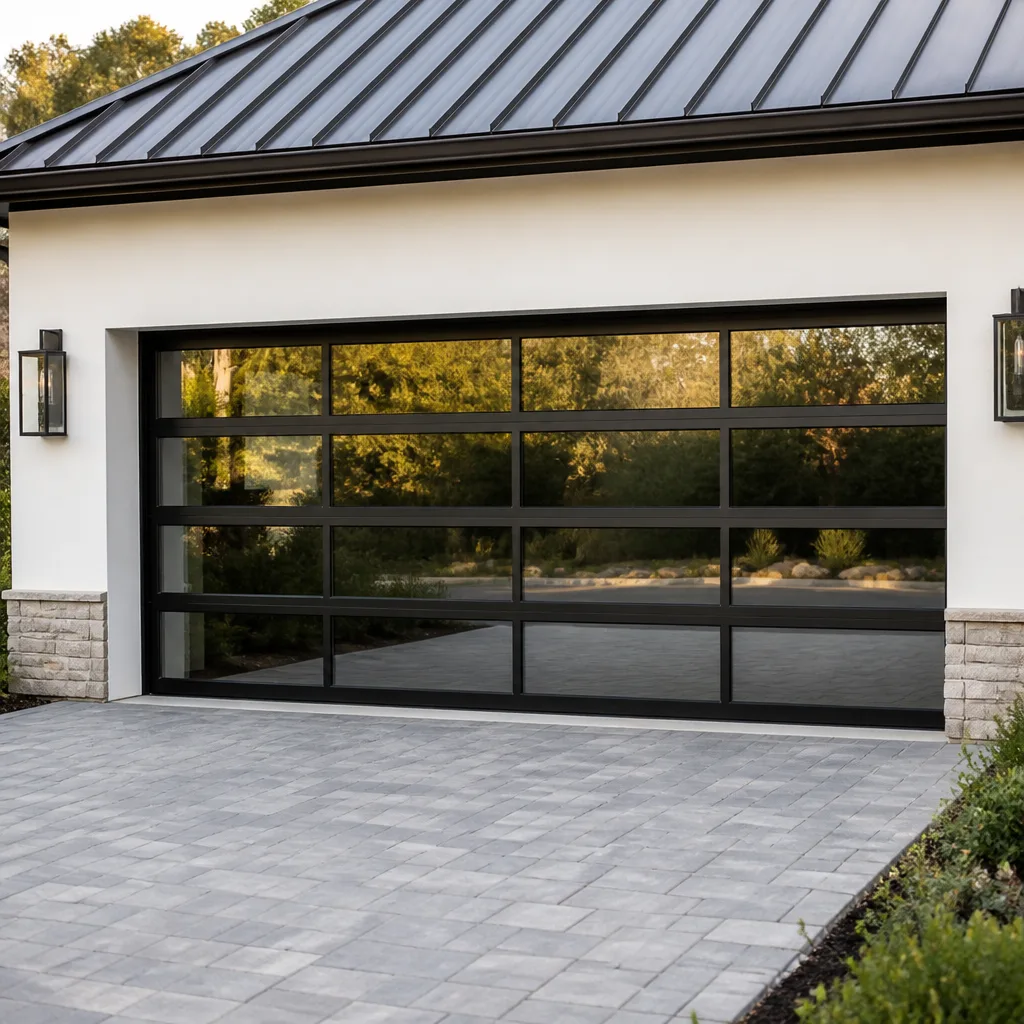 Full-view glass
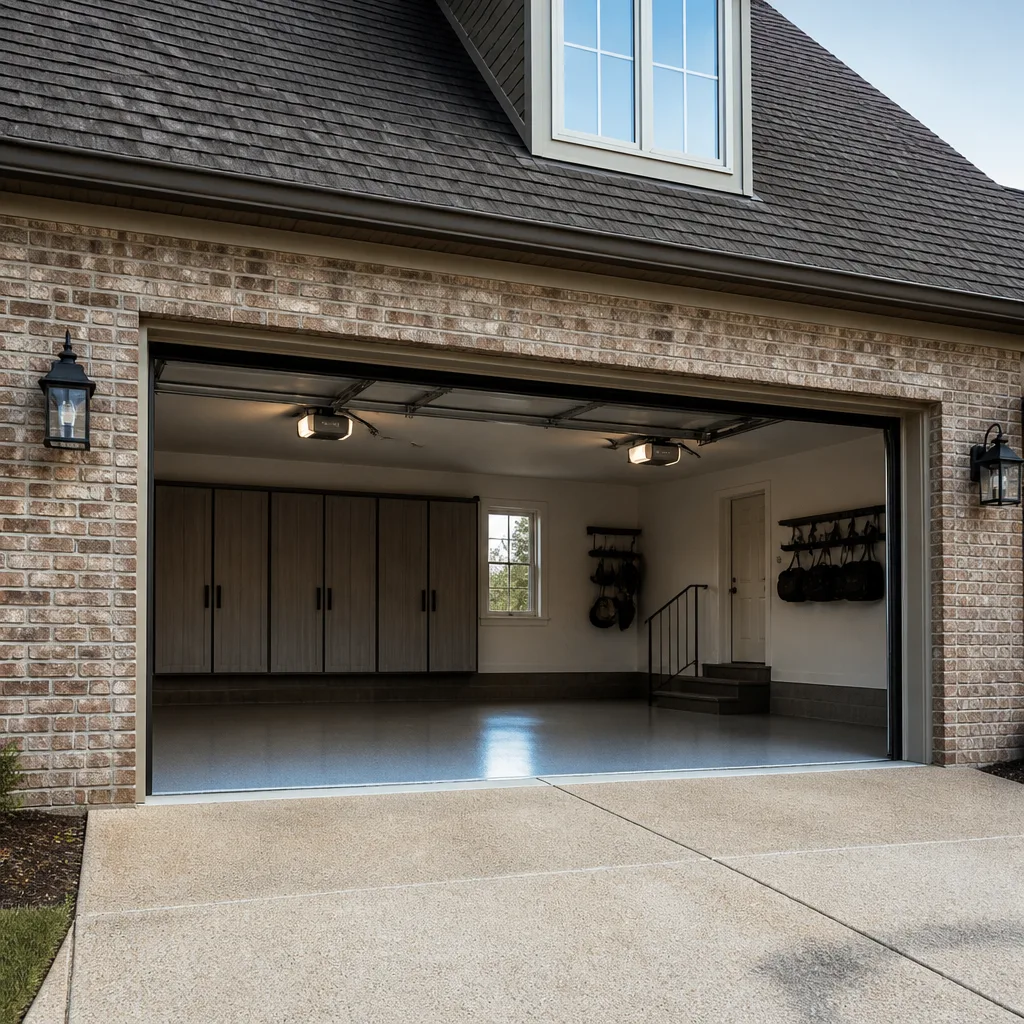 LiftMaster openers
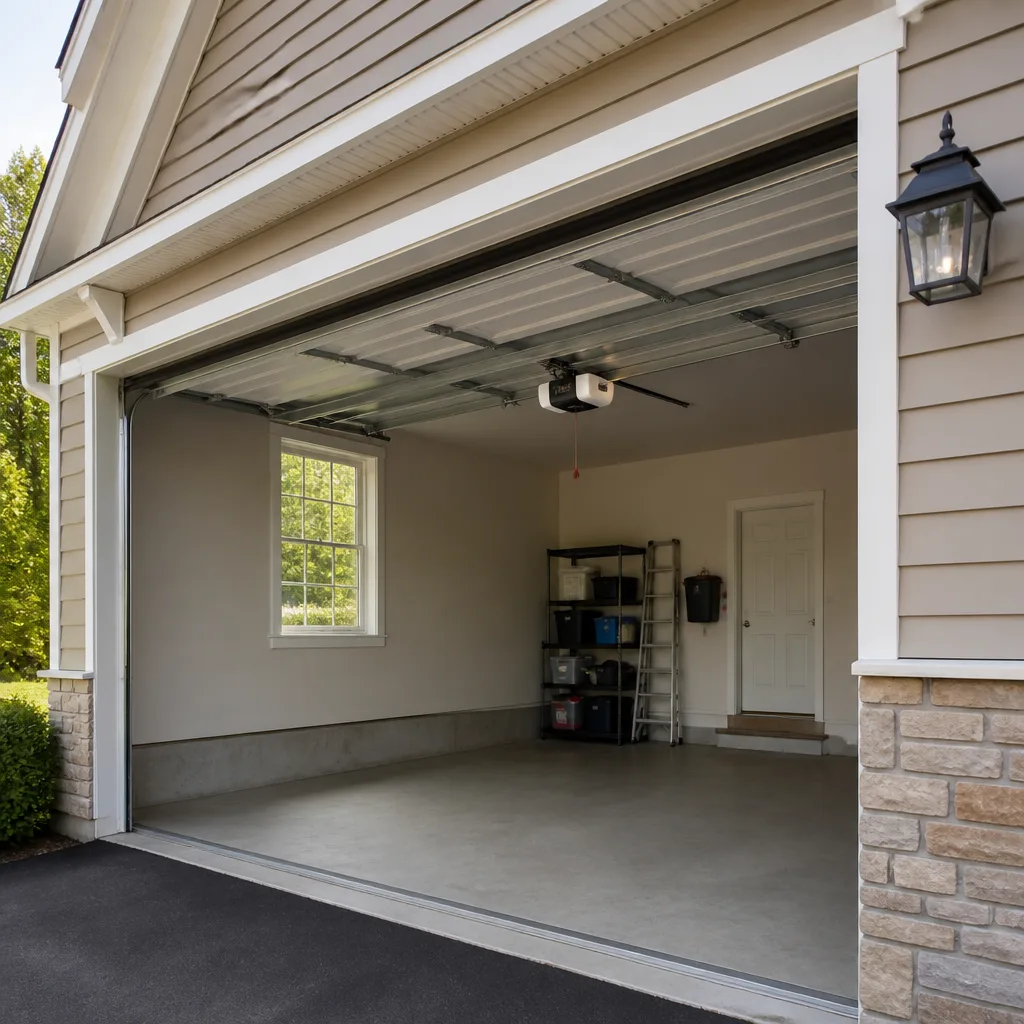 Chamberlain openers
Full 25-point door and opener safety check with every visit - springs, cables, rollers, tracks, and your LiftMaster or Chamberlain opener included
You get a price before we start. It does not change when the pro arrives.
Get your free estimateThe Complete Guide to Garage Doors in Nokomis
Most homeowners in Nokomis don’t think about their garage door until it stops working. It’s the largest moving part of the house, it opens and closes thousands of times a year, and yet very few people can tell you what kind of spring system sits above their car or whether their door has any insulation in it at all. That’s not a knock on anyone. It’s just how it goes. The door works, so you don’t think about it. Then one morning it doesn’t, and you’re making decisions under pressure with no baseline to work from.
This guide builds that baseline. You’ll learn how Minnesota’s freeze-thaw cycles stress different spring systems, what the real lifespan numbers mean for a typical household, why insulation matters more here than almost anywhere else, which brands you’ll actually find on homes in the area, and how to tell the difference between a five-minute adjustment and a call to a specialist. Read it once now and you’ll make every future garage door decision in Nokomis from a position of clarity instead of panic.
Quick Answer
A garage door in Nokomis typically lasts 15 to 30 years depending on material and maintenance, springs last roughly 10,000 cycles (about 7 to 10 years for most households), and openers last 10 to 15 years. The three decisions that matter most are spring type, door insulation value, and opener reliability. Understanding those three things before something breaks saves you money and keeps you from buying more door than you need.
Styles & brands we work with
- Raised-panel steel
- Carriage house
- Modern flush
- Full-view glass
- LiftMaster openers
- Chamberlain openers
Table of Contents
- How a Garage Door Actually Works
- Torsion vs. Extension Springs in Minnesota’s Freeze-Thaw Cycle
- How Long Every Component Really Lasts
- Why Single-Layer Doors Fail Nokomis Winters
- The Brand Landscape in the Nokomis Area
- DIY Adjustment vs. Call a Specialist
- When to Repair and When to Replace
- Openers, Safety Sensors, and What Actually Fails
How a Garage Door Actually Works
A sectional garage door is a balanced system, not a simple lifting machine. The door panels run on rollers inside vertical and horizontal tracks, and the whole assembly is counterweighted by springs under tension. An opener’s job is only to nudge a balanced door up and down. It is not designed to lift the weight of the door on its own. That single fact explains most of what goes wrong.
Here’s the sequence when you press the button:
- The opener motor turns a chain, belt, or screw drive.
- The drive pulls the door arm, which lifts the bottom panel.
- As the door rises, the springs unwind slightly, releasing stored energy to help.
- The door follows the curved track into the horizontal position above your car.
- Safety sensors at the base of the track watch for obstructions the whole time.
When a spring loses tension or breaks, the door becomes dead weight. The opener tries to lift 150 to 300 pounds instead of pulling against a balanced load, and it either stalls, strips its gears, or burns out the motor. In our experience, most “dead opener” calls are really spring calls with a fried opener attached. A technician who checks balance first will catch that. One who replaces the opener without checking the springs will hand you a new motor that fails in a month.
In Nokomis, that balance check matters even more because temperature swings change how freely the door moves. A door that’s marginal in July will feel stiff in January, and that stiffness puts extra load on the opener. Understanding the moving parts is the first step toward avoiding a repair you didn’t need to pay for.
Torsion vs. Extension Springs in Minnesota’s Freeze-Thaw Cycle
Minnesota’s freeze-thaw cycle hits garage door hardware harder than most homeowners realize. A Nokomis garage can swing from below zero in February to above 90°F in July, and that swing repeats thousands of times across a single winter. Metal expands and contracts. Lubricant thickens and thins. Wood framing shifts slightly. The result is that spring systems designed for a moderate climate get a workout here that shortens their life.
Torsion springs
Torsion springs mount on a horizontal shaft above the door and twist to store energy. They’re the standard on newer homes and on any door wider than about eight feet. One key advantage in a cold climate: torsion springs are enclosed on the shaft, so they shed ice and moisture better than extension springs. They’re also quieter and easier to balance.
Extension springs
Extension springs run along the horizontal tracks and stretch to counterbalance the door. They’re common on older Nokomis homes and on single-car doors. In freeze-thaw conditions, the open design means moisture can get into the coils, and repeated freezing and thawing accelerates fatigue. Extension springs also require safety cables running through them; without those cables, a break sends the spring across the garage.
Our recommendation for most Nokomis households: if you have extension springs and the door is more than eight years old, look closely at whether the spring is showing rust or separation. A spring repair call now is cheaper and safer than one after a hard break.
If the springs have already snapped, stop here. High-tension springs and cables can cause serious injury if you try to handle them yourself. Only a trained technician should touch a spring under load. Call a professional and leave the tension work to them.
How Long Every Component Really Lasts
The industry-standard cycle count for a garage door spring is 10,000 cycles. A cycle is one full open-and-close. For a typical Nokomis household using the door four times a day, that’s about 1,460 cycles a year, which puts spring life at roughly seven years. A household that uses the door six times a day gets about five years. This is why neighbors with identical doors can have completely different spring failure timing.
Here’s the full lifespan picture:
- Standard springs: 10,000 cycles (about 5 to 7 years of typical use)
- High-cycle springs: 20,000+ cycles (double the life, costs more up front)
- Openers: 10 to 15 years
- Rollers: 5 to 10 years
- Hinges: 10 to 15 years with lubrication
- Panels (steel): 20 to 30 years depending on paint and denting
- Wood doors: 15 to 25 years with regular sealing
- Safety sensors: 10 to 15 years
The practical takeaway: if your Nokomis home still has the original springs and the door is 12 to 15 years old, plan for a spring replacement even if nothing has broken yet. And if you’re already replacing a spring, upgrading to a high-cycle version is usually worth it on a door you plan to keep. A technician who explains the cycle math before quoting the job is one you can trust to give you the right fix, not the most expensive one.
The same lifespan math applies to the opener. Most openers don’t fail suddenly; they degrade. A motor that’s been straining against weak springs for years is a motor on borrowed time. Ask the technician to test drive force when they’re on site, and if the number is climbing, that’s a sign.
Why Single-Layer Doors Fail Nokomis Winters
Many older homes in Nokomis still have single-layer steel doors: one sheet of metal, often with a basic paint finish and no insulation core. They were cheap, they were common, and for most of the year they work fine. The problem shows up in January when it’s -20°F outside and your garage shares a wall with the house.
An uninsulated door transfers cold straight into the garage. That cold spreads through the shared wall into the kitchen or bedroom above. You feel it as a floor that’s cold to the touch, a room that never quite warms up, or a heating system running harder than it should. It also makes the garage itself unusable as workspace in the winter. If your garage is home to a workshop, a freezer, a home gym, or a second refrigerator, single-layer is a poor match for a Nokomis climate.
Three options exist, ranked by cost and effort:
- Add a door insulation kit. Foam panels or reflective barriers attach to the inside of the door. Affordable, DIY-friendly, and adds real R-value. Best for a door in good shape that just needs a warmth boost.
- Upgrade to a double-layer door. Steel skin on both sides with a polystyrene or polyurethane core. Significant improvement in both insulation and quiet operation.
- Install a fully insulated door. Two steel layers plus a dense polyurethane core and thermal breaks. The best match for a Nokomis winter, and the option that keeps garage temperatures most stable. This is where a garage door installation conversation starts to make sense.
The right call depends on how you use the garage and how long you plan to stay. A homeowner who parks two cars but never works in the garage may be fine with a kit. Someone who has a heater in the garage or lives above it should look at insulated replacement. A technician who walks the home and asks about the room above the garage will give you a better recommendation than one who quotes from a price sheet.
The Brand Landscape in the Nokomis Area
Drive through Nokomis and you’ll see the same handful of brands over and over. That’s not because they’re the only options; it’s because they were the brands most widely distributed through builders and hardware stores when the homes were built. The good news is that each of them has real strengths, and none of them is a bad choice if it fits the door it’s on.
What each brand tends to be known for
- Clopay: The largest residential door manufacturer in the country, with the widest range of styles and insulation options. Strong on insulated replacement doors.
- Amarr: Known for value and durable steel construction, with solid mid-range options and good panel warranties on its better lines.
- Wayne Dalton: A common builder brand with a wide footprint, especially on older homes. Parts availability is generally good, which matters for repairs.
- Craftsman: Prolific on the opener side through hardware store channels; original opener units are still running on a lot of Nokomis homes.
Beyond doors, the opener landscape is dominated by LiftMaster, Chamberlain, and Genie, with Raynor showing up on some installations. Most of the openers in the area will be one of those. Our technicians work across all of them, so you’re not going to hear “we don’t service that brand” when we show up.
What differentiates brands beyond price comes down to three things: insulation construction, panel steel thickness, and parts availability. A door with thicker steel resists denting better; panels with a polyurethane core insulate better than polystyrene; and doors from widely distributed brands are easier and cheaper to repair when a panel gets crunched. A technician who can explain those tradeoffs across multiple brands is more useful than one who sells a single line.
DIY Adjustment vs. Call a Specialist
Some garage door problems are genuinely homeowner territory. Others are not, and the line between them is clearer than most people expect. Before you touch anything, know which side of that line the symptom sits on.
Safe to handle yourself
- Door runs roughly or squeaks: lubricate hinges, rollers, and the spring shaft with a garage-door-rated lubricant, not WD-40.
- Opener reverses without touching the floor: wipe the safety sensor lenses and check that the sensors are pointed at each other.
- Remote doesn’t work but the wall button does: replace the remote battery and re-pair the remote.
- Door is noisy after a cold snap: the same lubricant step above usually fixes it.
- Light on the opener stays on: check the manual for the light setting; this is a programming issue, not a mechanical one.
Call a specialist
- Spring is broken, sagging, or shows a visible gap. Stop using the door. A broken spring with an operating opener is a motor failure waiting to happen, and adjusting springs under tension can cause serious injury.
- Door is crooked, off the track, or stuck open or partially open. A door off its track is heavy and unstable.
- Anything involving cables, the spring shaft, or the bottom bracket. These carry stored tension even when the door looks calm.
- Opener runs but the door doesn’t move, or the door moves but the motor won’t stop running. Both point to a mechanical or drive problem, not a programming one.
- Safety sensors won’t stay aligned after rebooting and cleaning. Wiring or sensor replacement may be needed.
If you’re not sure which side you’re on, call it in. A technician can diagnose over the phone or on a visit without charging you to reject a DIY idea you were never going to be comfortable with anyway. And if the door won’t close and the house isn’t secured, that’s a garage door emergency service situation worth calling about right away.
When to Repair and When to Replace
The honest answer for most Nokomis homeowners is that repair is cheaper and replacement is rarely urgent. The door itself often outlasts three sets of springs and two openers. The question is whether the remaining lifecycle is worth the money you’d keep pouring into it.
Here’s a simple decision framework:
- Is the door structurally sound? Solid panels, straight tracks, no rust-through. If yes, repairs make sense on almost anything that breaks.
- Is the insulation mismatched to the house? A single-layer door on a home with a bedroom above it is a candidate for replacement even if it works.
- Are you facing a second major repair in 12 months? Two major repairs close together usually means the door has reached the end of its useful run.
- Are the panels matching and available? A dented panel on a discontinued door might mean replacing the door rather than the panel.
- Does the door still fit how you use the garage? If you’ve converted the garage into a workshop or added a home gym, insulation and noise become replacement drivers.
When the framework points to replacement, that’s the moment to get a proper measure and a written price before committing. Replacement work is measured, ordered, and scheduled; it isn’t a same-day fix, and a good technician will tell you so up front. Get two or three written estimates on comparable doors, ask about the brand and insulation core in each, and compare cycle ratings on any included springs.
Openers, Safety Sensors, and What Actually Fails
Openers get blamed for a lot of problems they didn’t cause. Before you replace one, know what usually breaks on a 10- to 15-year-old unit.
- Logic board failure: The most common electrical failure. Symptom: opener beeps, lights flash, or won’t respond to any input.
- Drive gear wear: Plastic gears inside the motor strip after years of strain. Symptom: motor runs but the door doesn’t move, or the door moves only under manual assist.
- Travel limit drift: The opener “forgets” where the floor and open limits are. Symptom: door reverses before touching the floor, or overshoots.
- Sensor misalignment: Snapped brackets, sun glare, or spider webs in the lens. Symptom: door starts to close, then reverses.
- Remote pairing loss: More common after a power surge. Symptom: wall button works, remotes don’t.
When a new opener is the right answer, three upgrades are usually worth asking about. A belt drive is quieter than a chain drive, which matters if the garage is under a bedroom. A battery backup keeps the door working during a power cut, which is a real consideration in a Minnesota winter. And a modern opener with improved safety features is worth the small premium over the cheapest unit on the shelf.
Whatever the opener, the safety sensors at the base of the track are non-negotiable. They detect a child, a pet, or an object under a closing door and reverse the motor. If yours are damaged, misaligned, or missing, that’s the first thing to fix, and if you’re not comfortable tracing the wiring, call for garage door opener repair rather than running the door without them.
Common Mistakes to Avoid
- Replacing the opener when the springs are the problem. If the door feels heavy to lift by hand (carefully, standing clear), the springs are the issue, not the motor. A technician who checks balance before quoting will save you a motor.
- Paying for a new door when a panel repair would do. A single dented panel on a sound door is a repair. Only when the panel is discontinued or matched imperfectly does replacement start to make sense.
- Buying the cheapest spring available. Standard springs at 10,000 cycles are fine, but if you’re replacing a full set on a door you plan to keep, going to a high-cycle version tends to pay off over the life of the door.
- Ignoring a single-layer door in a cold Nokomis winter. An uninsulated door in a Minnesota winter forces the heating system to compensate for the cold garage above it. Insulation kits or an insulated door change the math.
- Trying to adjust a torsion spring yourself. The spring shaft can hold hundreds of pounds of stored tension while the door looks calm. This is the repair to call in, not the one to Google.
- Skipping lubrication because the door “works fine”. Dry hinges and rollers accelerate wear on the opener and shorten the spring’s life. Two minutes of lubricant twice a year extends everything.
- Buying a new door without checking insulation value against the room above. A cheap insulated door with a thin core won’t do much for a bedroom over the garage. Ask about the core material before the style.
See the difference
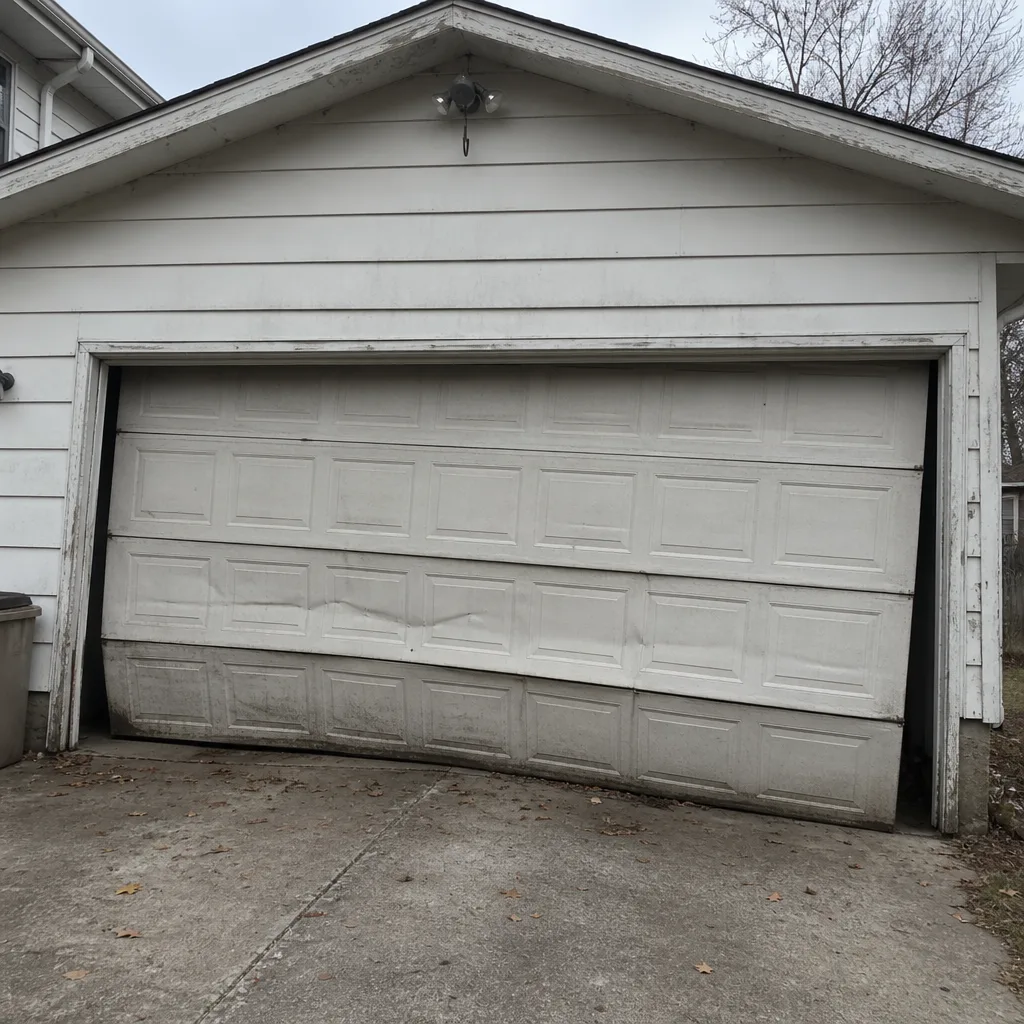 Before
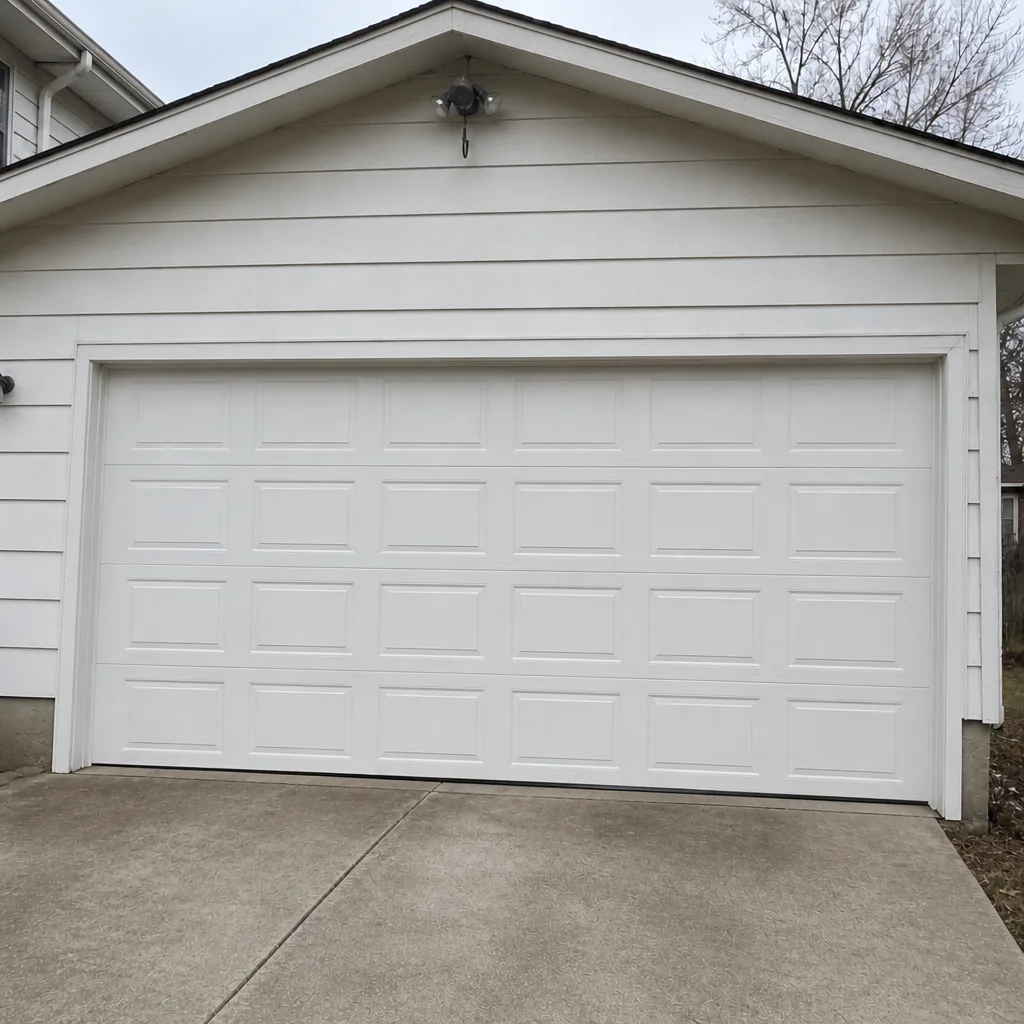 After
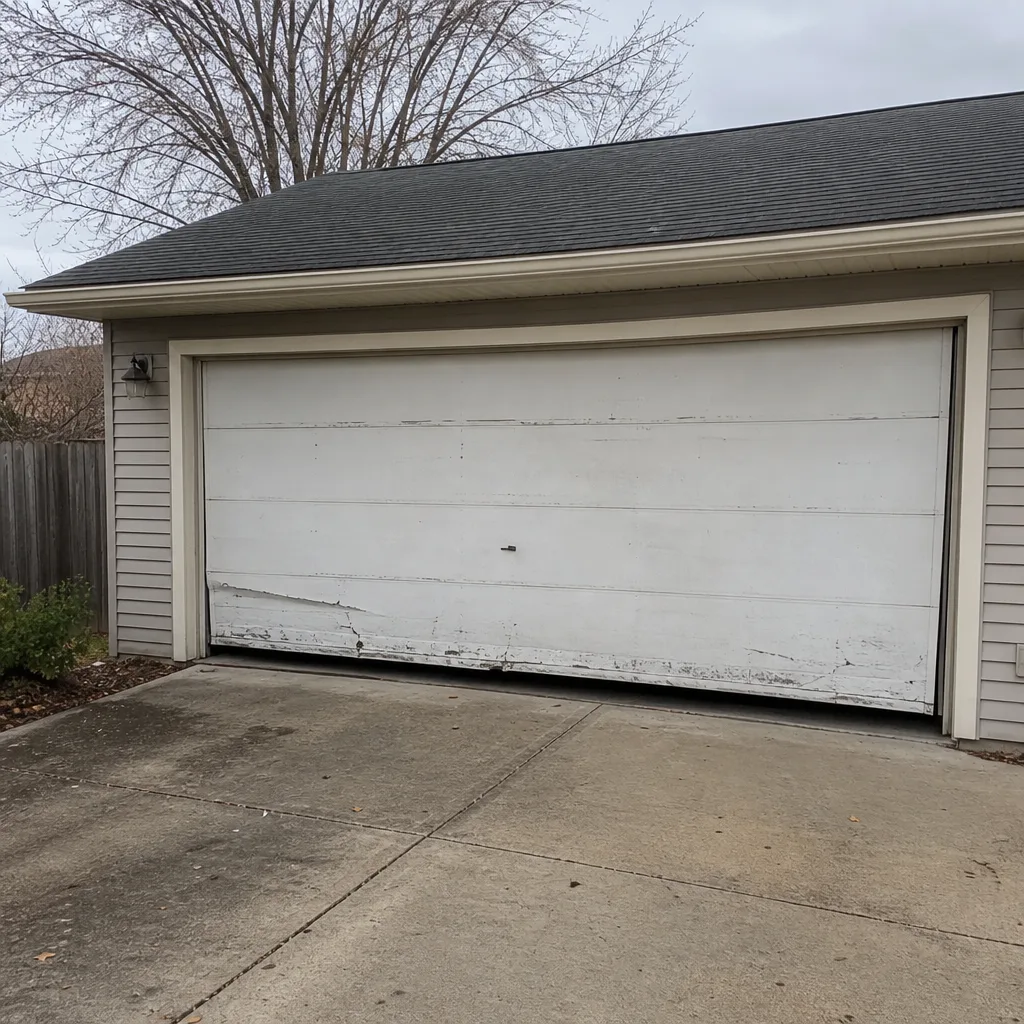 Before
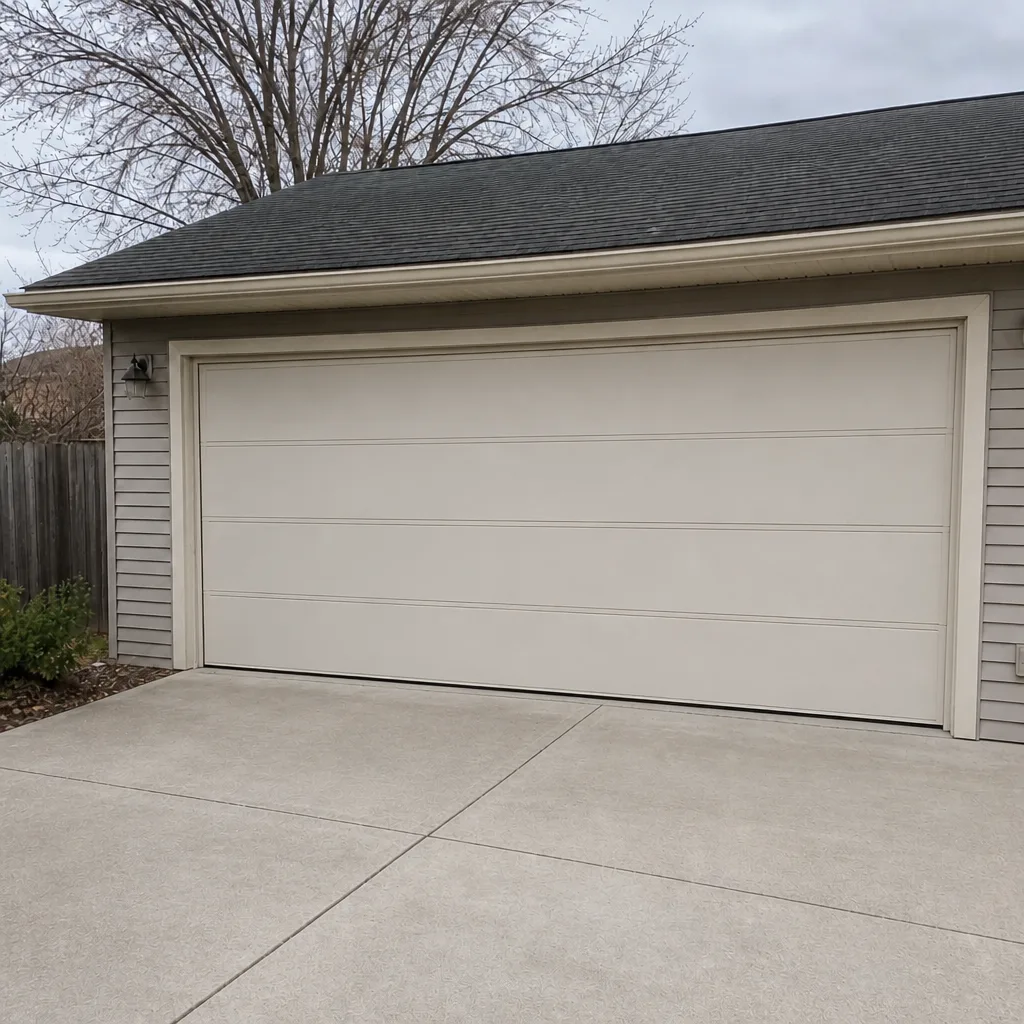 After
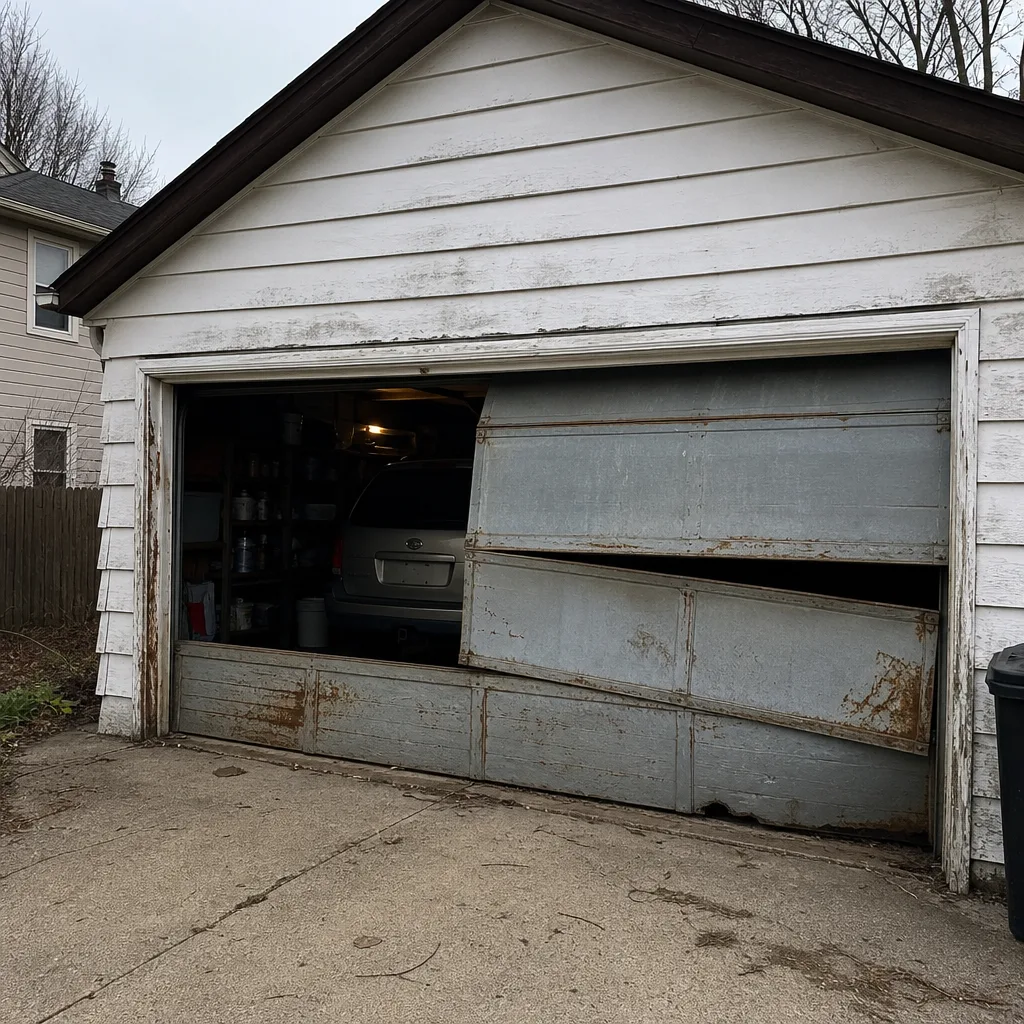 Before
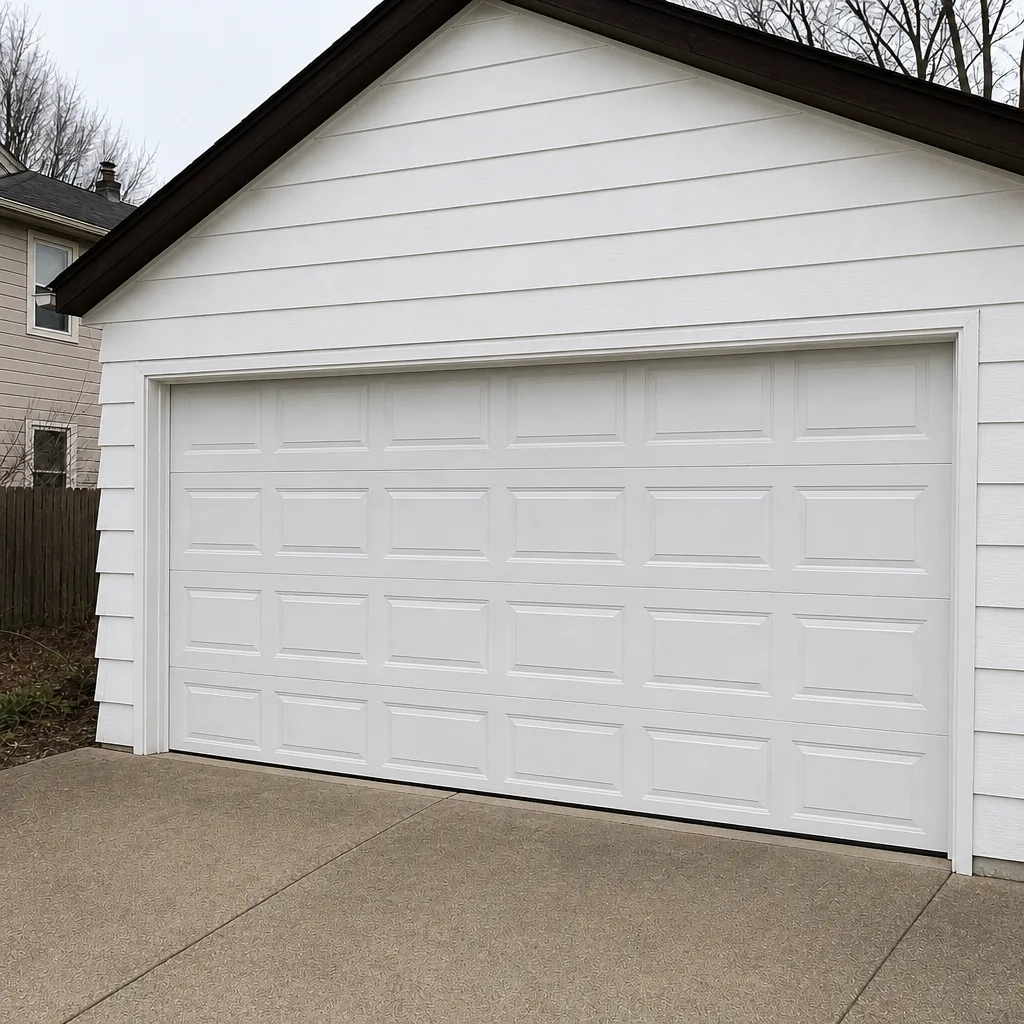 After
When to Call a Professional
Call a specialist when the problem involves springs, cables, the bottom bracket, or anything that holds the door’s weight. Call when the door is off its track, crooked, or stuck open. Call when the opener runs but the door doesn’t, when safety sensors won’t stabilize, or when you’ve had two major repairs within a year and want a straight answer on whether the door is worth keeping. Call for garage door repair when the issue is mechanical or electrical and you’d rather not be the one guessing.
Garage Door Repair Nokomis offers free estimates in Nokomis. Call (877) 792-5938 for a written price before any work starts. We answer 24/7. Fast dispatch from 7am to 7pm, Sunday through Friday. Our technicians have up to 13 years of experience and work on LiftMaster, Chamberlain, Genie, Clopay, Amarr, Wayne Dalton, Craftsman, and Raynor equipment.
Frequently Asked Questions
Spring replacement in the Nokomis area typically runs about $180 to $340 per spring for a standard torsion spring job, including labor. Extension spring replacement usually sits in a similar range. A matched pair, which is what you’ll want if both springs are the same age, costs roughly twice a single spring. The written estimate sets the final price, and we give you that before we start. Call (877) 792-5938 for a free estimate.
Yes for most repair and opener calls. Fast dispatch runs from 7am to 7pm, Sunday through Friday, and a technician can typically diagnose and fix a broken spring, dead opener, or sensor fault in a single visit. Replacement doors and full installations are measured, ordered, and scheduled; those aren’t same-day work, and we’d rather tell you that up front than promise something we can’t deliver. Call (877) 792-5938 and we’ll get you on the schedule.
Standard springs are rated at 10,000 cycles, which for a typical Nokomis household using the door four times a day works out to about seven years. Households with heavier use or doors exposed to big freeze-thaw swings often see shorter life, closer to five years. High-cycle springs rated at 20,000 cycles or more roughly double that. If your door is 10 to 15 years old and still has the original springs, plan for replacement before it becomes a surprise.
Not without your agreement. We inspect the door, explain what we found, and give you a written estimate before any work starts. If we discover something that changes the job mid-repair (a bent track, a snapped cable, a seized hinge), we stop and re-quote you before doing the extra work. The price you agree to is the price on the invoice. Call (877) 792-5938 to set up a free estimate.
The local professional we connect you with is licensed and insured as their state requires, and carries their own coverage. Our technicians have up to 13 years of experience and work across all the major spring systems, opener brands, and door manufacturers you’ll find on Nokomis homes. Ask for proof of coverage on any job that involves springs or electrical work. Call (877) 792-5938 with questions.
Most cities require a permit for a garage door replacement, but the rules vary and a like-for-like swap sometimes doesn’t. Ask your city’s building department directly before you book the install so you know what applies to your address. Our written estimate can include the specs you’ll need for the permit application, and the installer will tell you what paperwork is on the permit side. Call (877) 792-5938 if you’d like to talk through the scope before applying.
The Bottom Line
Most garage door decisions in Nokomis get made under pressure, and that’s exactly when homeowners overpay or under-buy. The baseline this guide gives you is simple: know your spring type before it breaks, match your insulation to how the garage is actually used, expect standard springs to need replacement somewhere around year seven, plan for 10 to 15 years on an opener, and treat springs, cables, and track work as specialist territory rather than a weekend project. Get two or three written estimates on any replacement. Ask about cycle ratings and insulation cores, not just price. And call a specialist when the job involves stored tension. If you’d rather just have someone look at the door and tell you what’s actually going on, we’re here for that.
Call (877) 792-5938 for a free estimate from Garage Door Repair Nokomis. We answer 24/7. Fast dispatch from 7am to 7pm, Sunday through Friday. One call covers the whole door: springs, tracks, openers, sensors, and replacement when the time comes. Start with a free estimate and a written price before any work begins.
Written by the team at Garage Door Repair Nokomis.