
Last updated November 20, 2026
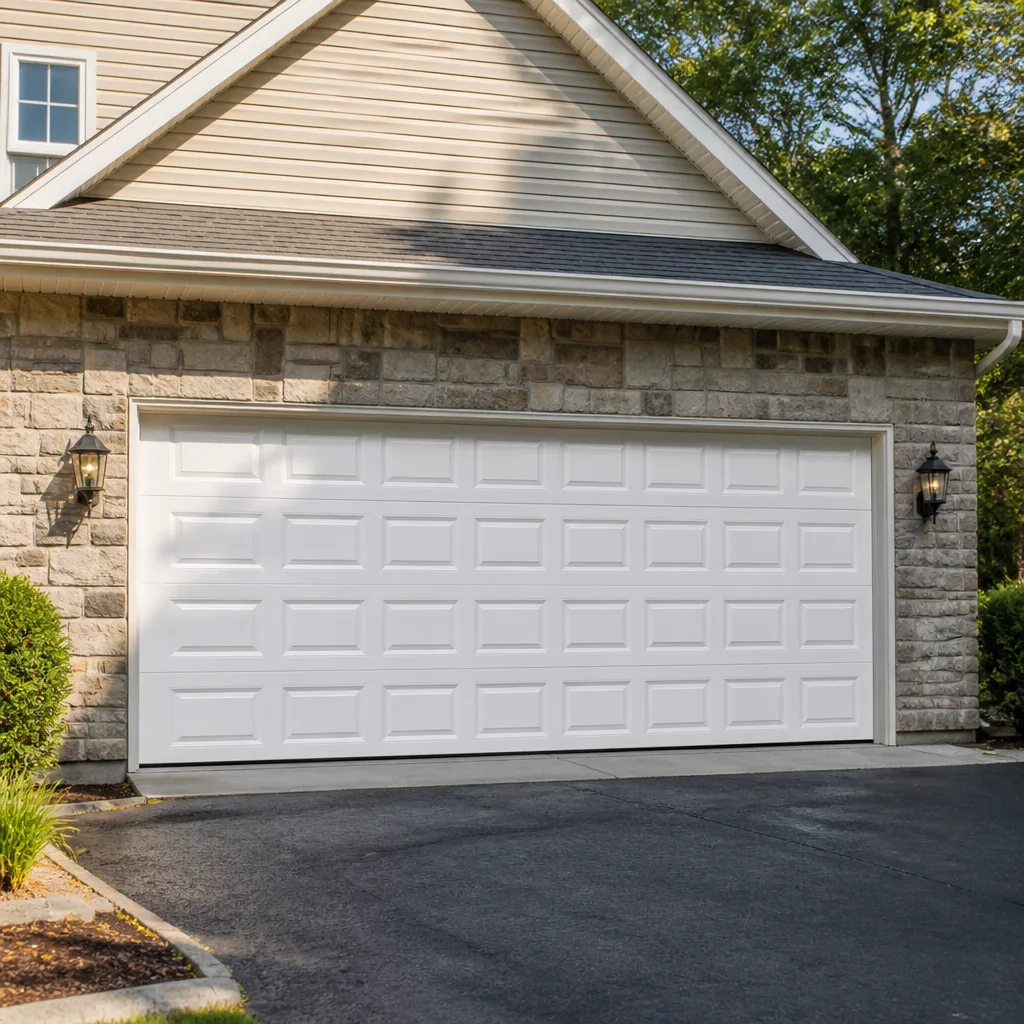 Raised-panel steel
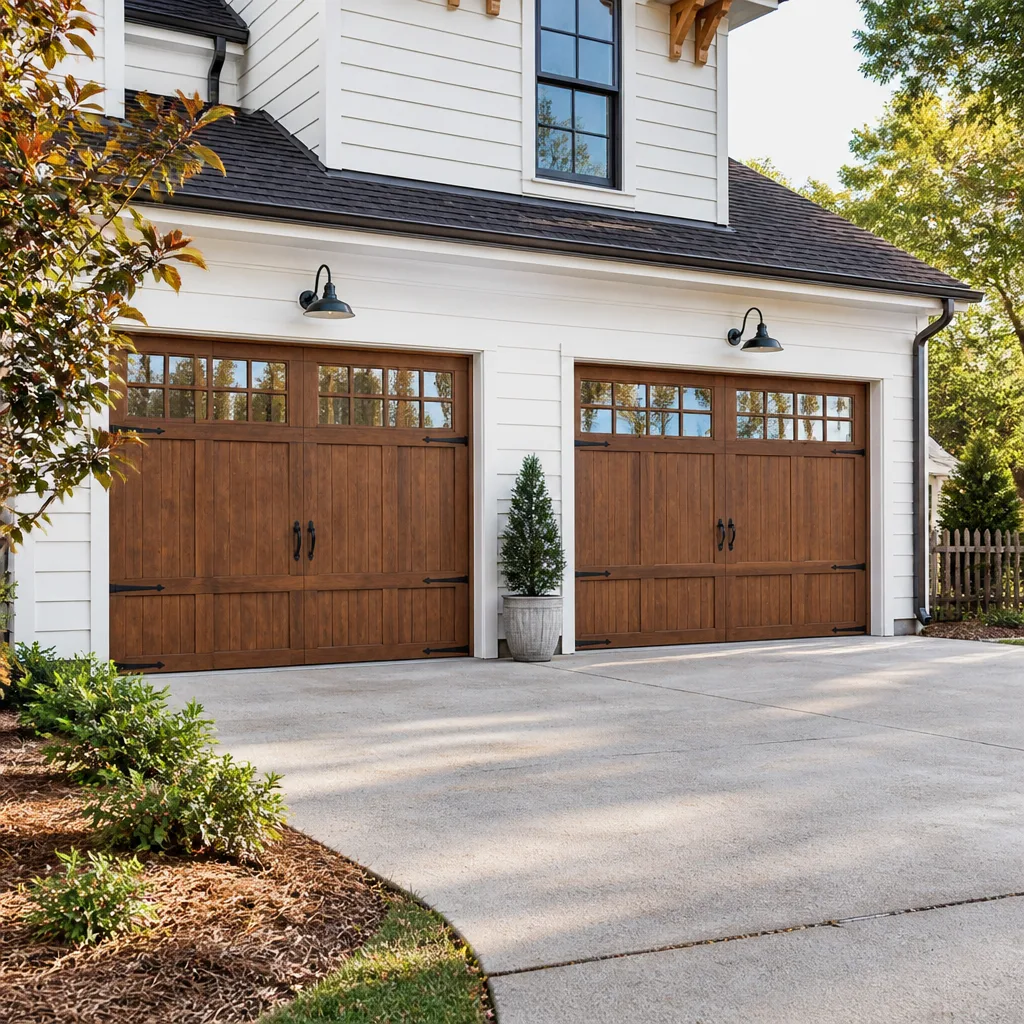 Carriage house
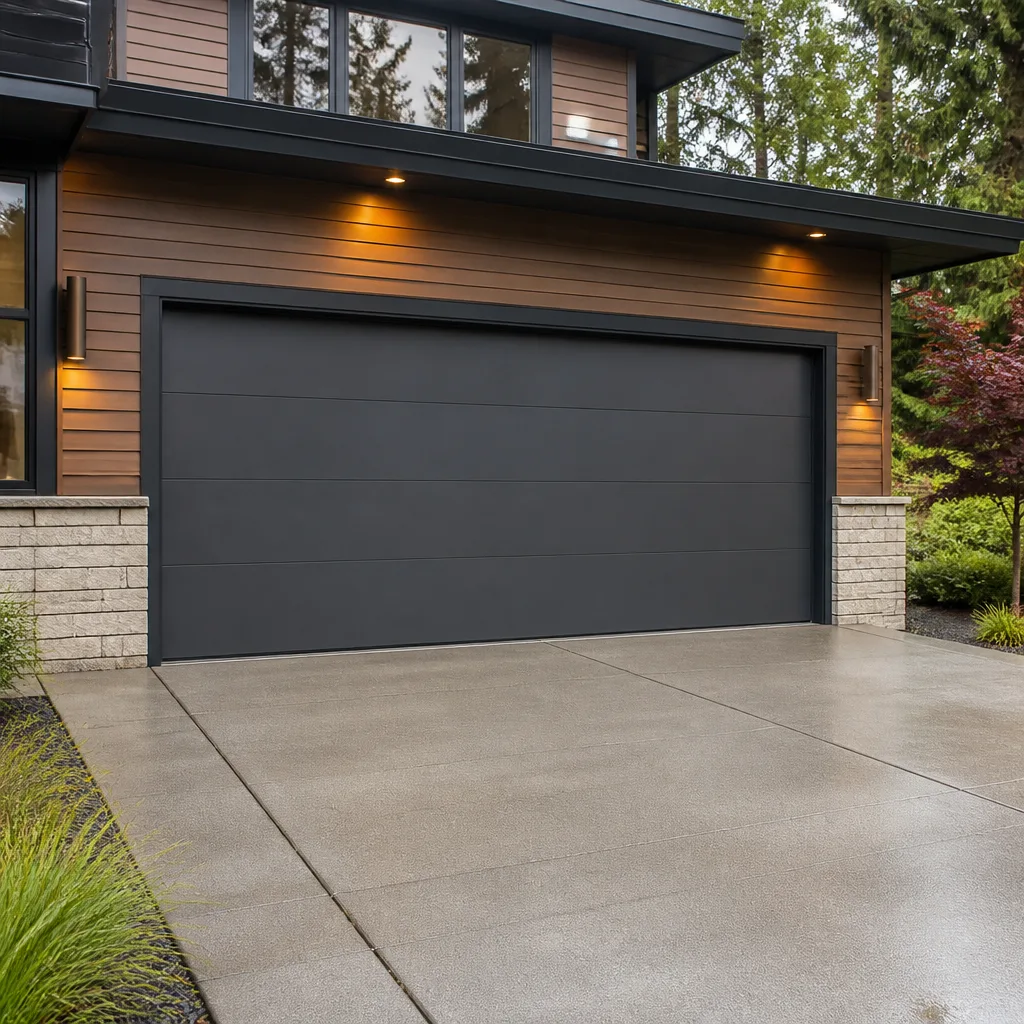 Modern flush
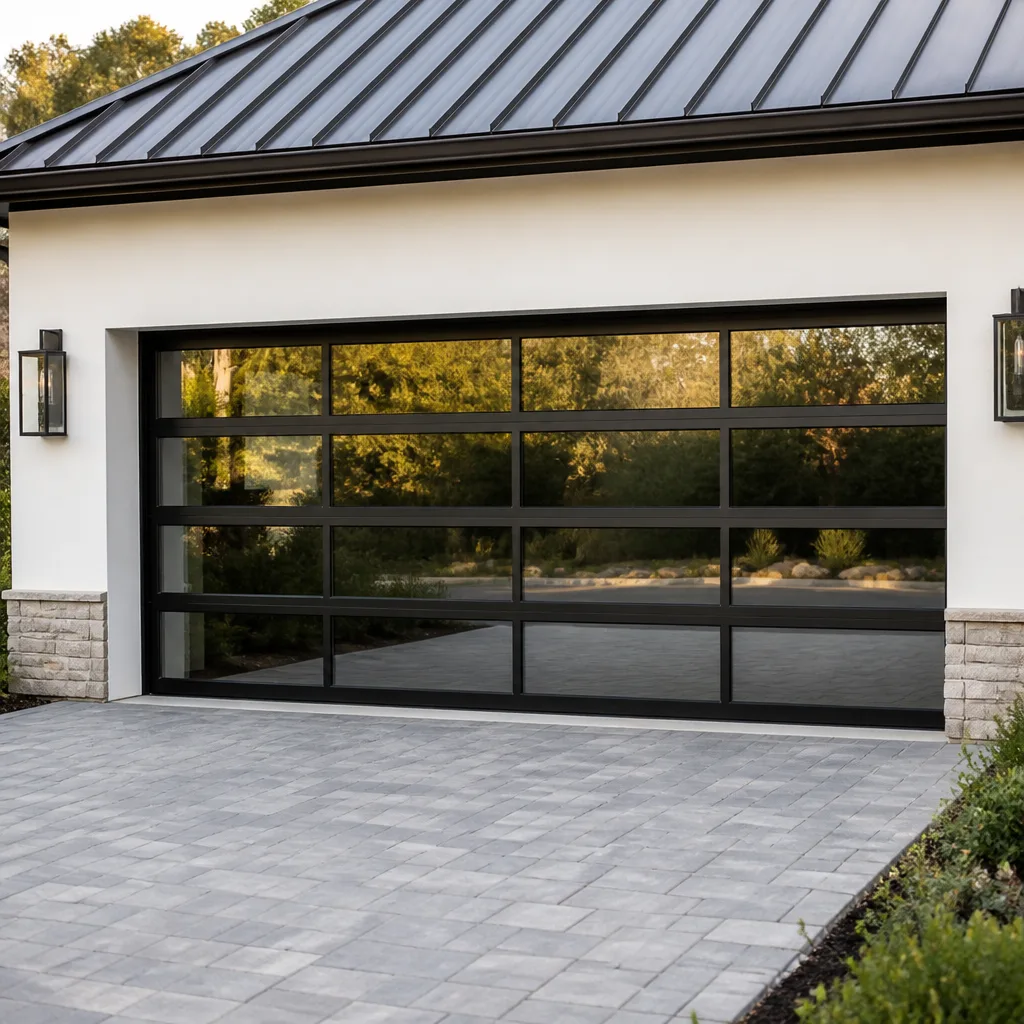 Full-view glass
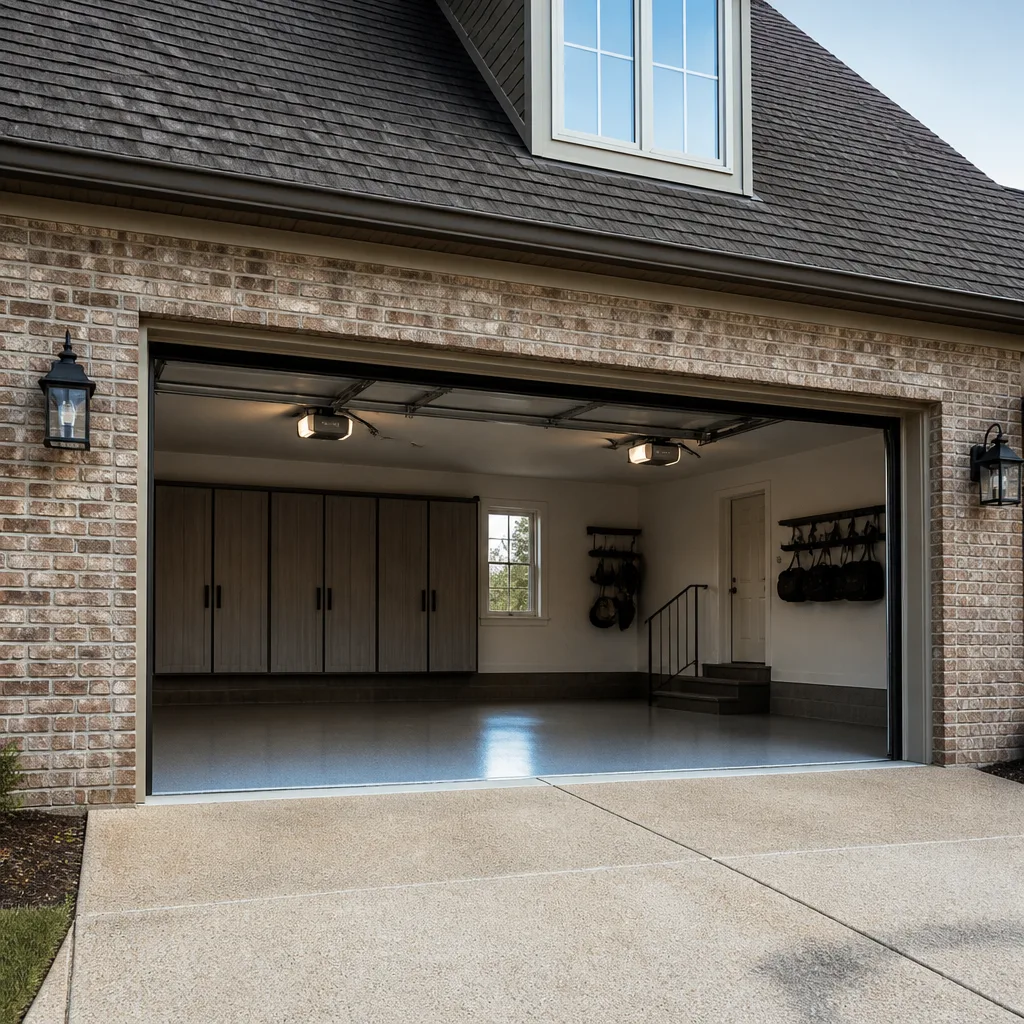 LiftMaster openers
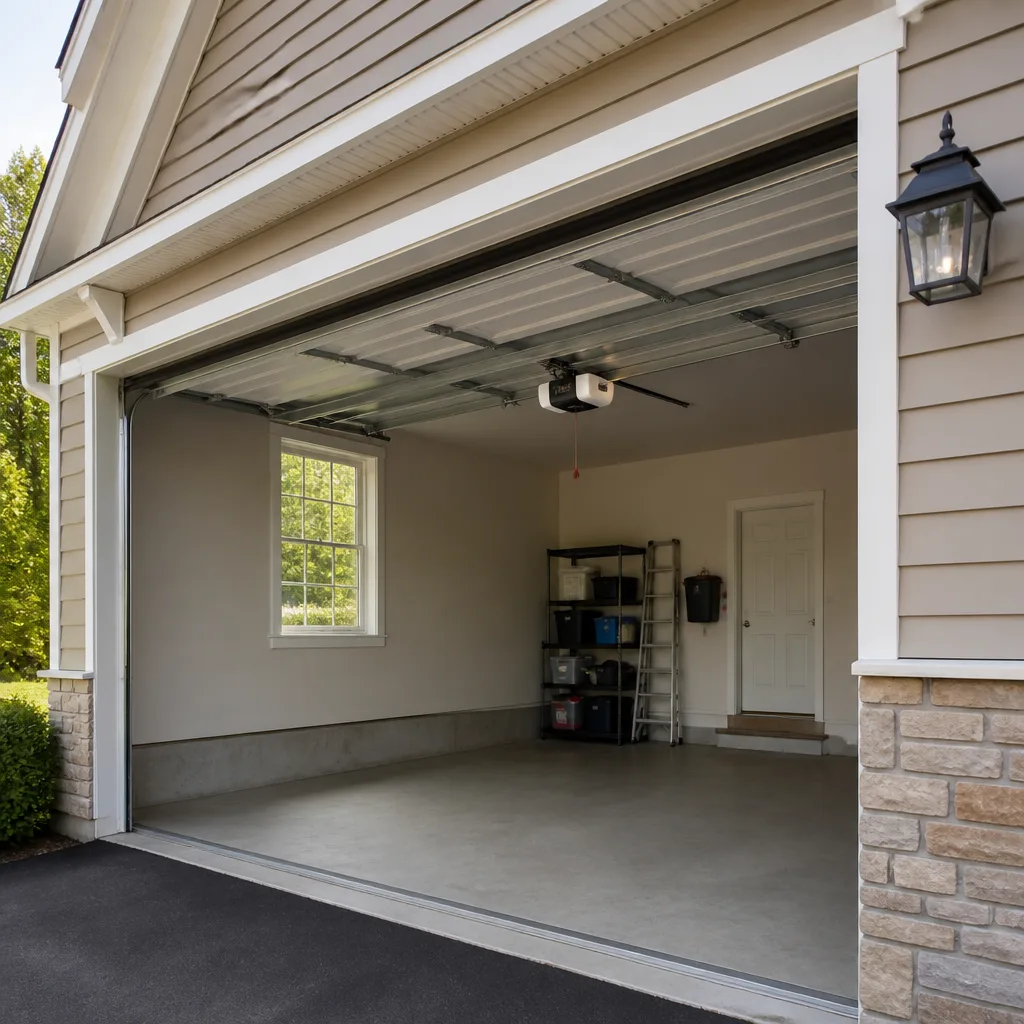 Chamberlain openers
Full 25-point door and opener safety check with every visit - springs, cables, rollers, tracks, and your LiftMaster or Chamberlain opener included
You get a price before we start. It does not change when the pro arrives.
Get your free estimateSeasonal Garage Door Care for Nokomis: Year-Round Homeowner’s Guide
The garage door failures that happen in January were almost always preventable in October. That’s the part most homeowners get backwards. The instinct is to think about the door when it stops working, which is usually deep in the cold, with the car inside and somewhere to be. But in Nokomis, Minnesota, the damage that takes a door out of service doesn’t happen during the coldest week of the year. It’s done in the shoulder seasons – the wet, freeze-thaw weeks of late fall and early spring – when moisture gets into places it shouldn’t and temperature swings do the slow work of loosening, warping and rusting. By the time the symptom shows up, the cause is months old.
This guide works forward, not backward. Instead of telling you what to fix after something breaks, it walks through the four distinct stress phases a Nokomis garage door moves through each year and what to check before each one arrives. You’ll get a fall pre-freeze checklist, an explanation of how frost heave affects your bottom seal and threshold, the rust and frame-shift inspections that matter most in spring, and the summer UV and humidity issues that quietly age panels and wood doors in older Nokomis homes. There’s also a condensed month-by-month calendar you can run in under ten minutes a session.
Quick Answer
Seasonal garage door care in Nokomis means matching maintenance to four distinct phases rather than treating it as one annual task: a fall pre-freeze checklist (seal compression, lubricant switchover, opener force settings before cold thickens grease), winter protection against frost heave and forced operation on a frozen door, spring rust and frame-shift inspection after the thaw, and summer attention to UV degradation on panels and seals plus humidity effects on wood doors. Each phase takes under ten minutes to check. The problems that take a door out of service are almost always set up one season earlier, so the work is preventive and forward-looking.
Styles & brands we work with
- Raised-panel steel
- Carriage house
- Modern flush
- Full-view glass
- LiftMaster openers
- Chamberlain openers
Table of Contents
- Fall: The Pre-Freeze Checklist That Sets Up Your Whole Winter
- Winter: Frost Heave, the Bottom Seal, and Why Forcing a Frozen Door Is Costly
- Spring: Thaw-Related Rust and Frame Shifts After Frost Heave
- Summer: UV Damage on Panels and Seals, and Humidity on Wood Doors
- Opener Force Settings and the Cold-Weather Grease Problem
- The Month-by-Month Nokomis Calendar (Under 10 Minutes a Session)
- Common Mistakes to Avoid
- When to Call a Professional
Fall: The Pre-Freeze Checklist That Sets Up Your Whole Winter
Fall is the season that decides how your door behaves in January. The goal before the first hard freeze is simple: get everything flexible, sealed and correctly tensioned while temperatures still allow it. Once the cold sets in, seals stiffen, grease thickens and small gaps that were harmless in October become the entry point for moisture and cold air. If you only do one maintenance pass a year, this is the one that pays off.
Here’s what to check in Nokomis before the freeze:
- Weather seal compression. Close the door and look at the bottom rubber seal from inside. It should press firmly against the floor along its whole length with no daylight showing through. In older Nokomis homes, concrete floors often settle and the seal makes contact in the middle but gaps at the corners, which is where cold air and mice get in. If a section of seal is crushed flat or torn, it needs replacing before winter, not after.
- Lubricant switchover. The grease you used in summer can thicken in cold weather and make the door harder to move. Before the freeze, clean old lubricant off the rollers, hinges, springs and tracks, then apply a lubricant rated for cold temperatures. This is a real step, not a formality – the difference between a door that opens smoothly in January and one that strains the opener motor is often just the right lubricant for the temperature.
- Opener force settings. Your opener has a force adjustment that determines how hard it pushes before it stops. Winter makes everything stiffer, so a door that balanced perfectly in October may trigger the safety reverse in December. Check the balance and the force setting before the cold arrives, and adjust only according to the opener’s manual.
- Track alignment. Sight down each track. Any bend or widening will get worse with temperature swings. Loose track bolts should be snugged down now.
- Door balance. Disconnect the opener and lift the door by hand halfway. It should stay put. If it drifts down, the springs are losing tension and should be evaluated before winter loads them harder.
None of these steps require you to touch the springs or cables. Those are under high tension and are genuinely dangerous to adjust. If any part of this checklist points to a spring or cable problem, stop and call someone trained for it. We’ve seen too many injuries from homeowners trying to tighten a spring before winter. The pre-freeze checklist is about the parts you can safely inspect – the springs are a separate matter.
Winter: Frost Heave, the Bottom Seal, and Why Forcing a Frozen Door Is Costly
Winter is when the damage you set up in fall shows up as symptoms. Two things drive almost every cold-weather garage door problem in Nokomis: frost heave and forced operation. Understanding both changes how you react when the door sticks.
Frost heave is what happens when the ground freezes and expands, lifting the slab, the threshold and the door’s bottom seal out of alignment. The door that sealed perfectly in October now runs against a floor that has risen a fraction of an inch in places. You’ll hear it first: a scrape, a thump, a seal that drags on one side. Left alone, that constant friction wears the bottom seal and adds load to the opener on every cycle. In a Nokomis winter with repeated freeze-thaw cycles, this is the single most common cause of a door that suddenly won’t close all the way.
The second problem is forced operation. When a door is frozen to the floor or its tracks are iced up, the opener doesn’t know that. It pushes against the resistance, and the motor, gears and drive system absorb the strain. A single forced operation can damage an opener that would otherwise have run for years. In our experience, a large share of winter opener failures trace back to someone repeatedly hitting the button on a door that was frozen shut.
What to do when the door won’t open in the cold
- Stop cycling the opener. Once or twice is enough to tell it’s stuck. Hitting the button repeatedly is what causes the damage.
- Look for ice at the bottom seal and threshold. If the door is frozen to the floor, the seal needs to release before anything moves.
- Check whether the tracks are iced at the bottom corners, where meltwater runs down and refreezes.
- If the door is clear of ice but the opener still strains, the problem is mechanical – spring tension, a bent track, or a failing opener part – and it needs a technician.
Winter is also the season when an emergency call matters most, because a door that won’t close means your garage is open to the weather and to anyone who wants in. We offer emergency garage door service for exactly those time-sensitive failures. Call (877) 792-5938. We answer 24/7. Fast dispatch from 7am to 7pm, Sunday through Friday.
Spring: Thaw-Related Rust and Frame Shifts After Frost Heave
Spring in Nokomis is the inspection season. The thaw exposes everything winter did, and the freeze-thaw cycles of March and April are when moisture gets into the places it couldn’t reach when everything was frozen solid. This is the point to look for rust and for frame shifts, because both are cheap to address early and expensive to ignore.
Thaw-related rust. Meltwater runs down tracks, hinges and the bottom fixtures. In the wet weeks of early spring, steel parts that were dry all winter start to corrode, especially at the bottom of the door where water collects. Inspect hinges, roller stems, the bottom bracket area and the track mounting points. Light surface rust is manageable with cleaning and a fresh coat of lubricant. Rust that has pitted the metal or seized a hinge means the part needs replacing before it fails.
Frame shifts from frost heave. The ground moved in winter; in spring it settles back, but not always to exactly where it was. Two signs that the frame has shifted and the door is now misaligned:
- The door binds or rubs on one side as it travels, more than it did last fall.
- The gap between the door and the frame is uneven from top to bottom or side to side, and the bottom seal no longer sits flat on the floor.
A door that’s out of alignment loads the opener and the springs unevenly, and it never fixes itself. If you notice either sign, the door should be rebalanced and the tracks realigned before the summer heat, when everything expands again and the problem compounds. If a track has pulled loose from the frame or a spring looks stretched or has a visible gap, that’s a professional repair, not a homeowner adjustment.
Spring is also a good time to confirm the safety reverse works. Put a block of wood or a roll of paper towels in the path of the door and close it. It should reverse on contact. If it doesn’t, the safety sensors or the force setting need attention. And if anything above the door needs work, call us for garage door repair rather than waiting for the next failure.
Summer: UV Damage on Panels and Seals, and Humidity on Wood Doors
Summer looks like the easy season for a garage door, and in some ways it is. But two slow processes run all summer, and Nokomis summers with strong sun and humid stretches accelerate both. The first is UV degradation. The second is humidity, which matters most in older Nokomis homes with wood garage doors.
UV degradation on panels and seals
Sun exposure fades and chalks the finish on steel and aluminum panels, and it dries out the rubber and vinyl seals, making them brittle. A bottom seal that was soft in spring can be cracked and stiff by September, which means it won’t seal against the cold when fall arrives. Inspect panels for fading or peeling finish and the bottom seal for cracks or hardening. If the seal has gone brittle, replace it in late summer or early fall, before it matters most. On doors facing the sun, a faded finish is also a sign the protective coating is breaking down, which is the start of rust on steel.
Humidity effects on wood doors
Wood garage doors are common on older homes in Nokomis, and wood moves with humidity. In a humid summer, panels can swell slightly and bind in the frame; in dry spells, they shrink and gaps open. Both are normal to a degree, but persistent binding or widening gaps point to moisture problems worth addressing. A wood door should be sealed or repainted on a cycle that keeps water out – check the finish each summer, and touch up bare spots before they take on water.
Summer is also the season when most people decide to replace a door or opener rather than repair it, and that’s the right time to plan. Installation is measured, ordered and scheduled, so if you’re thinking about a new door before next winter, get the measurement and written price in motion early. When it’s time, garage door installation starts with an in-person measure and a written estimate, and we work with the brands most Nokomis homes already have – LiftMaster, Chamberlain, Clopay and others.
Opener Force Settings and the Cold-Weather Grease Problem
The opener is the part of your system most affected by temperature, and it’s the part homeowners adjust most often without understanding what the adjustment does. Two settings matter year-round: force and travel limits. Force determines how hard the opener pushes before it stops; travel limits set where it starts and stops. Both can drift with the seasons.
Here’s the cycle that catches people out. In fall, cold thickens the grease in the opener’s drive system and in the door’s moving parts, so the door takes more force to move. If the force setting was tuned for summer, the opener may start reversing or stopping short as the cold arrives. Some people raise the force setting to compensate, which masks the real problem – the door is harder to move than it should be – and puts more strain on the motor. Then in spring, the door moves easily again and the raised force setting makes it less sensitive to obstructions, which is a safety problem.
The correct approach is to make the door move freely first – balanced springs, clean and correctly lubricated moving parts, aligned tracks – and only then set the force according to the opener’s manual. A door that needs a high force setting is telling you something mechanical is wrong. Our technicians work on the electronic side and the mechanical side together, which is why we can diagnose an opener problem and a door problem in the same visit. If your Craftsman or Raynor opener is acting up after a temperature change, garage door opener repair starts with checking the door, not just the box on the ceiling.
One thing not to do: never adjust the force setting to the maximum and leave it. It’s the most common way people turn a small door problem into an opener replacement.
The Month-by-Month Nokomis Calendar (Under 10 Minutes a Session)
You don’t need a long spring-cleaning session. You need short, well-timed checks that catch each problem before it compounds. Here’s the condensed calendar, built around the four phases and runnable in under ten minutes each time.
Late August / Early September – Summer wrap-up
- Inspect the bottom seal for UV cracks and hardening. Replace if brittle.
- Check panel finish for fading or peeling. Touch up bare spots on steel and wood.
- Look at the wood door finish for bare spots before fall rain.
October – The pre-freeze checklist
- Confirm the seal presses flat along the floor with no daylight.
- Clean old lubricant and switch to a cold-rated lubricant on rollers, hinges and springs.
- Check door balance by hand (opener disconnected).
- Sight down the tracks for bends and tighten loose bolts.
- Test the safety reverse.
December / January – Winter watch
- Listen for scraping at the bottom of the door, a sign of frost heave.
- If the door sticks, stop cycling the opener and clear ice from the seal and bottom tracks.
- Watch for opener strain: reversing, stopping short or laboring on the way up.
March / April – Thaw inspection
- Inspect hinges, roller stems and bottom fixtures for rust.
- Check for frame shift: binding on one side or an uneven gap around the door.
- Retest the safety reverse after winter.
June / July – Mid-summer check
- Recheck seals for summer wear.
- Check wood doors for swelling or binding in humidity.
- Listen for new noises in the opener.
That’s five short sessions a year, each under ten minutes. The point isn’t to do everything – it’s to do the right thing at the right time. If you want a second set of eyes on any of it, our technicians have up to 13 years of experience and can walk through your door with you. Call (877) 792-5938 for a free estimate.
Common Mistakes to Avoid
- Treating seasonal care as one annual task. A single fall tune-up misses the spring thaw rust and frame shift that set up next winter’s problems. The door moves through four stress phases, and each one needs its own check at the right time.
- Forcing a frozen door. Repeatedly hitting the opener button on a door frozen to the floor is the fastest way to damage the motor and gears. Once or twice is enough to confirm it’s stuck; after that, clear the ice rather than cycling.
- Raising the opener force setting to compensate for cold. This masks a mechanical problem – a door that’s harder to move than it should be – and it reduces the opener’s sensitivity to obstructions. In Nokomis winters, it’s tempting, and it’s the wrong fix.
- Ignoring the bottom seal after summer. UV dries the rubber out all summer, and a brittle seal won’t seal against cold air in winter. Check it in late summer, not after it stops working.
- Skipping the spring frame-shift inspection. Frost heave moves the ground in winter. A door that binds on one side or has an uneven gap after the thaw is out of alignment, and that loads the springs and opener unevenly all year.
- Touching springs and cables yourself. These are under high tension and can cause serious injury. Springs, cables and the bottom bracket are professional territory – no seasonal checklist should send you into them.
- Letting a wood door go unsealed through a humid summer. Wood moves with humidity, and a door with worn finish takes on water all summer. That’s what causes binding, swelling and frame gaps in older Nokomis homes.
When to Call a Professional
Most of this guide is work you can safely do yourself – inspections, lubrication, seal replacement and the opener tests. Call a professional when the problem touches the parts under high tension or when the door is out of alignment. That means: a spring that’s stretched, broken or looks like it has a gap; a cable that’s frayed or slack; a door that binds on one side or has an uneven gap after a thaw; an opener that reverses or stops short after a temperature change even though the door moves freely by hand; and any time the door won’t open or close and you need it secured. Those are the situations where a trained technician saves you money and risk. Garage Door Repair Nokomis offers free estimates in Nokomis – call (877) 792-5938. We answer 24/7. Fast dispatch from 7am to 7pm, Sunday through Friday. The price is quoted and agreed before any work starts, and the written estimate sets the final price.
See the difference
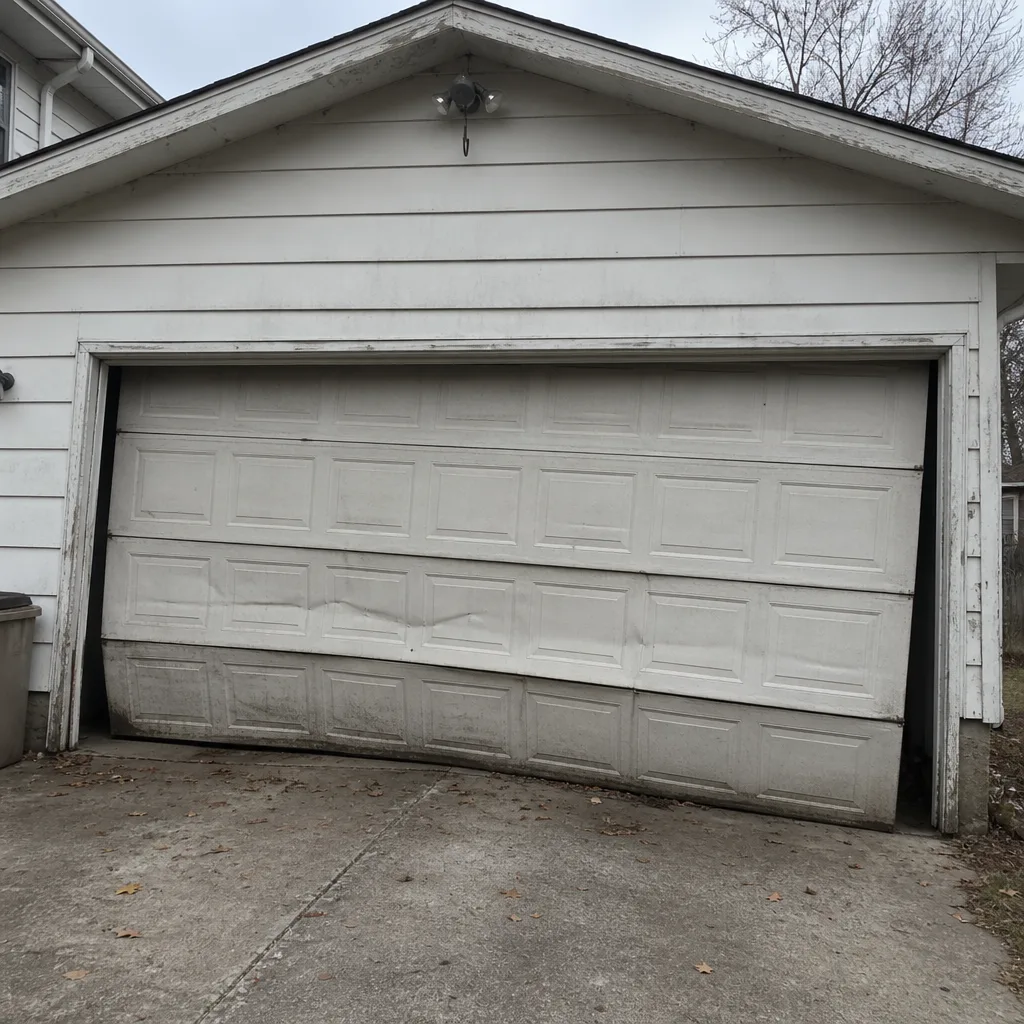 Before
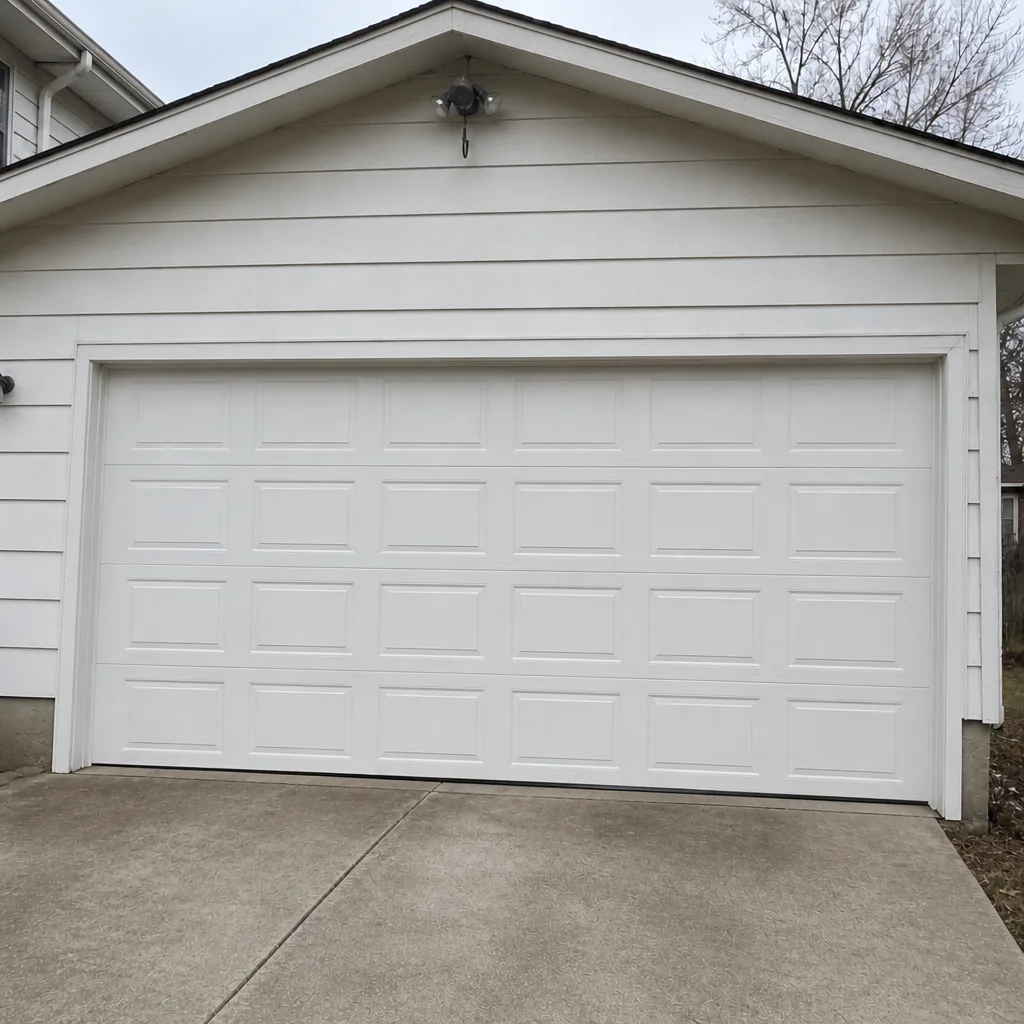 After
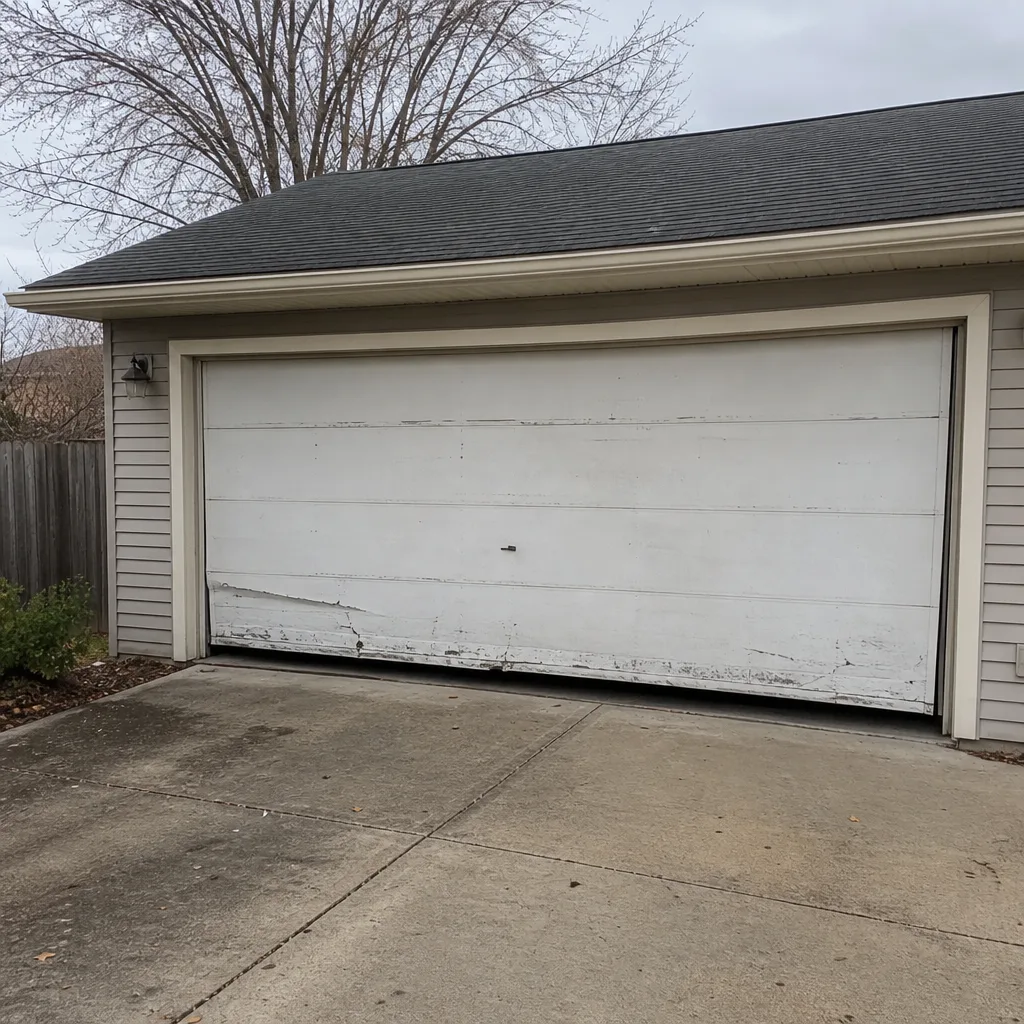 Before
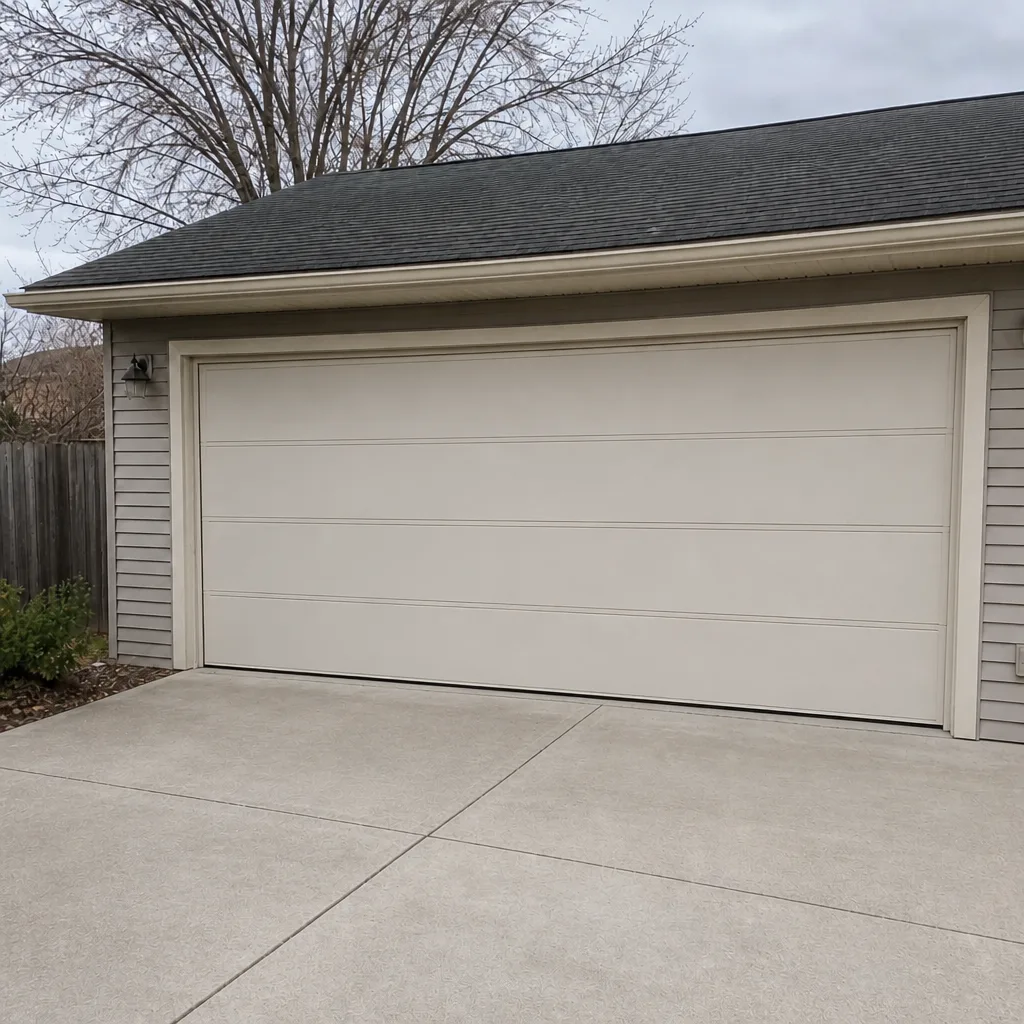 After
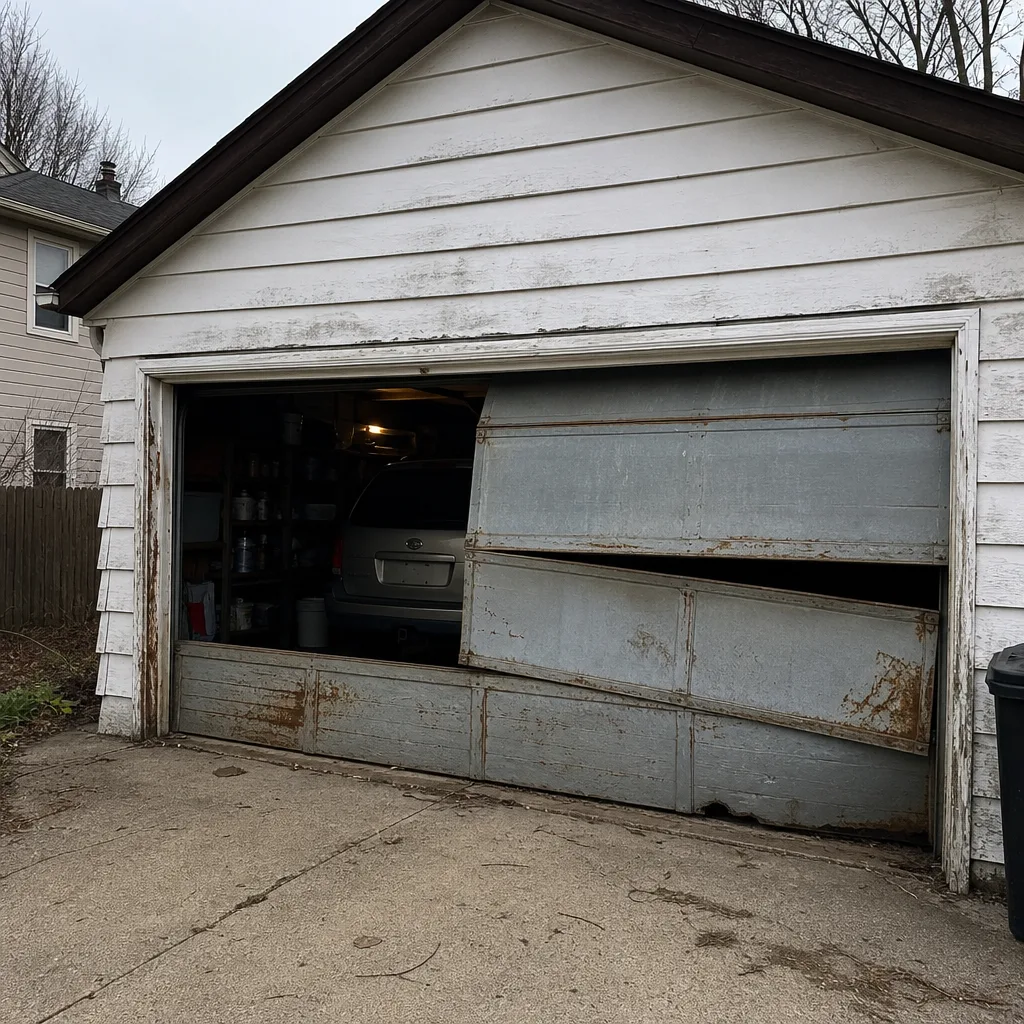 Before
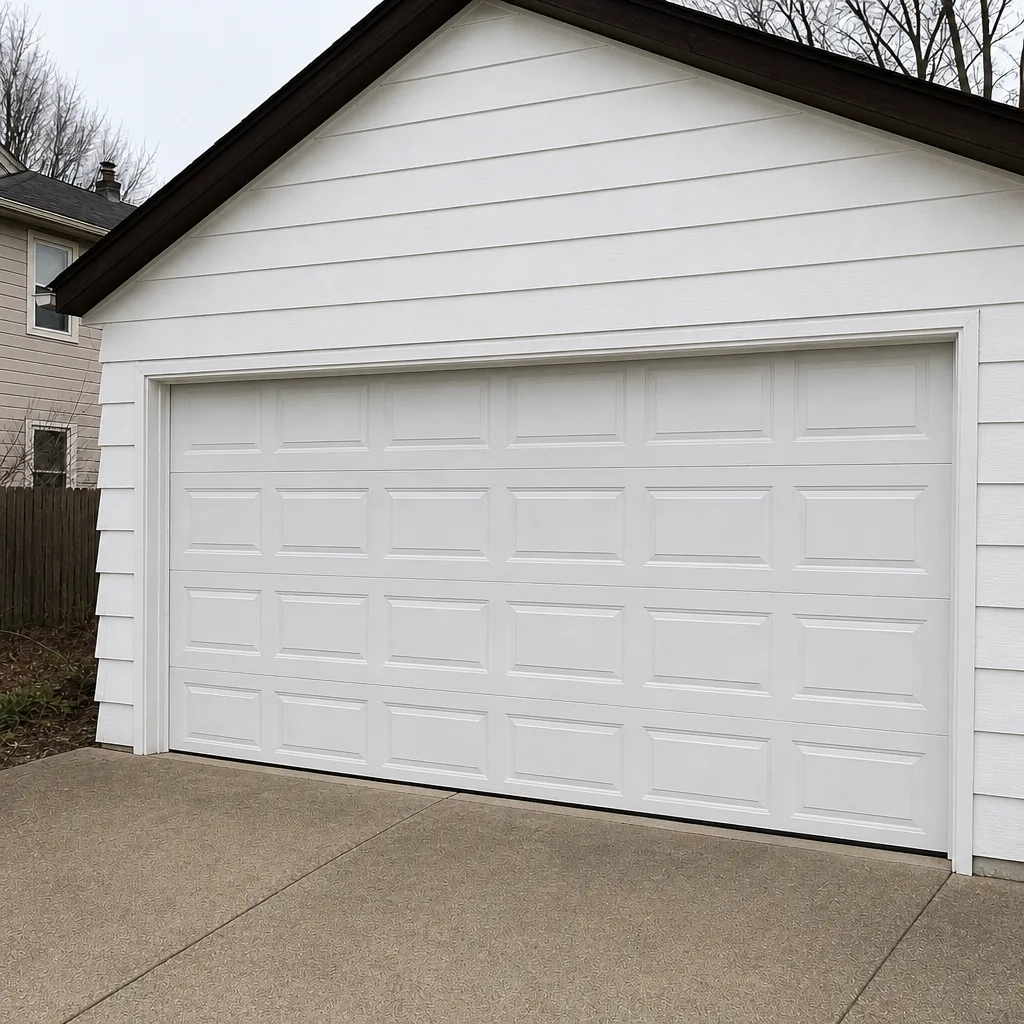 After
Frequently Asked Questions
Four to five short checks a year, timed to the seasons, rather than one annual task. The most important is the fall pre-freeze checklist in October, followed by a spring thaw inspection in March or April. Add a quick summer check in late summer for seal and UV wear, and a mid-winter watch for frost heave. Each session takes under ten minutes if you follow the calendar in this guide.
Cold thickens the grease in the opener and moving parts, and frost heave can lift the floor or threshold so the bottom seal drags. Both make the door harder to move, which the opener senses as resistance. The fix is to make the door move freely – correct lubricant, balanced springs, aligned tracks – rather than raising the opener’s force setting. Call (877) 792-5938 for an exact diagnosis if the door still sticks after you’ve checked the seal and tracks.
Yes – the rollers, hinges and tracks are safe to lubricate yourself. The springs and cables are not, because they’re under high tension. Use a lubricant rated for cold temperatures before winter and clean off old grease first. Never put lubricant on the rubber bottom seal or on the opener’s drive belt or chain unless the manual says to.
Frost heave is the ground freezing and expanding, which lifts the slab, threshold and bottom seal out of alignment. The door then drags against a floor that has shifted, wearing the seal and loading the opener on every cycle. It’s the most common cause of a door that won’t close all the way in a Nokomis winter. If the door scrapes at the bottom, the seal or threshold needs attention before the friction damages more.
Two signs: the door binds or rubs on one side more than it did last fall, and the gap between the door and the frame is uneven from top to bottom or side to side. A bottom seal that no longer sits flat on the floor is another clue. A shifted frame means the door is out of alignment and loads the springs and opener unevenly. That’s a professional realignment – call (877) 792-5938 for a free estimate.
The local professionals we connect you with are licensed and insured as their state requires. We work on the full range of major brands, including LiftMaster, Chamberlain, Craftsman and Clopay, so you won’t hit a “we don’t service that brand” dead end. Our technicians have up to 13 years of experience. Call (877) 792-5938 for an exact quote – estimates are free.
The Bottom Line
Nokomis garage doors don’t have one maintenance season – they have four, and the failures that happen in the cold were set up months earlier in the shoulder seasons. Work forward: get the pre-freeze checklist done in October, guard against frost heave and forced operation in winter, inspect for rust and frame shift after the thaw, and watch UV and humidity through summer. Five short sessions a year, each under ten minutes, keep the door out of the emergency category. When a job touches springs, cables or alignment, that’s the point to call a specialist. Garage Door Repair Nokomis offers free estimates and works on your brand. Call (877) 792-5938. We answer 24/7. Fast dispatch from 7am to 7pm, Sunday through Friday. Visit Garage Door Repair Nokomis for the full range of services.
Written by the team at Garage Door Repair Nokomis.